

UPDF Denies Muhoozi Ever Met Exiled Writer Kakwenza
KAMPALA: The Uganda People’s Defence Forces (UPDF) has denied that Chief of Defence Forces Gen. Muhoozi Kainerugaba ever met exiled Ugandan writer Kakwenza Rukirabashaija, dismissing allegations contained in a recent New York Times article as false.
The allegations appeared in an article by journalist Megan K. Stack titled The Authoritarian Future Is Already Here, published on October 8, 2026.
In a statement issued on Saturday, October 10, UPDF Acting Director of Defence Public Information Col. Chris Magezi said the claims were unsubstantiated and relied on accounts that had not undergone adequate verification.
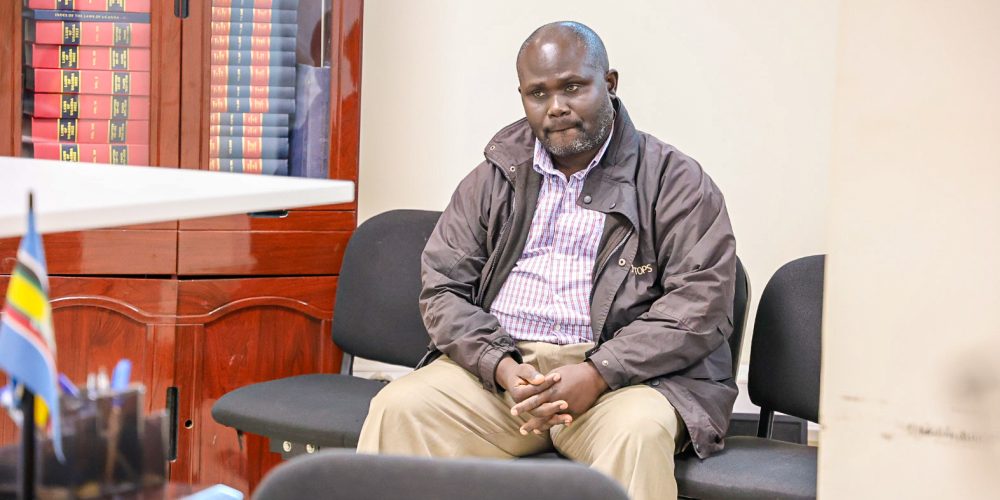
The article cited Kakwenza, who alleged that he suffered severe physical abuse while in detention, including beatings that he said left him with fractured ankle bones, kidney damage and scars on his back.
It also attributed to him allegations of inappropriate conduct by Kainerugaba during purported visits while he was detained.
However, Magezi categorically rejected the account, saying Kainerugaba had never met Kakwenza.
He described the allegations as a fabrication and accused sections of the international media of giving prominence to politically motivated claims against the army chief.
Magezi said serious accusations of human rights violations required credible evidence and rigorous scrutiny rather than reliance on unverified accounts.
He also defended the UPDF’s institutional role, saying the force operated within the law and would continue to support civilian authorities in maintaining law and order when called upon.
The spokesperson added that military personnel who violated the law would be held to high standards of discipline and accountability.
He further argued that Uganda’s courts remained available to hear complaints and determine cases where evidence was presented.
The statement also criticised what Magezi described as a tendency by some Western media organisations to focus on allegations against African leaders while overlooking the broader constitutional and institutional context in which their governments operate.
He maintained that Uganda’s political future was a matter for Ugandans to decide and warned against external interference in the country’s affairs.
The New York Times article and the military’s response have renewed debate over allegations of human rights abuses, media scrutiny and accountability in Uganda.
The allegations attributed to Kakwenza and the UPDF’s denial represent opposing accounts of the events described in the publication.