

Rule of Law or Rule by Law?
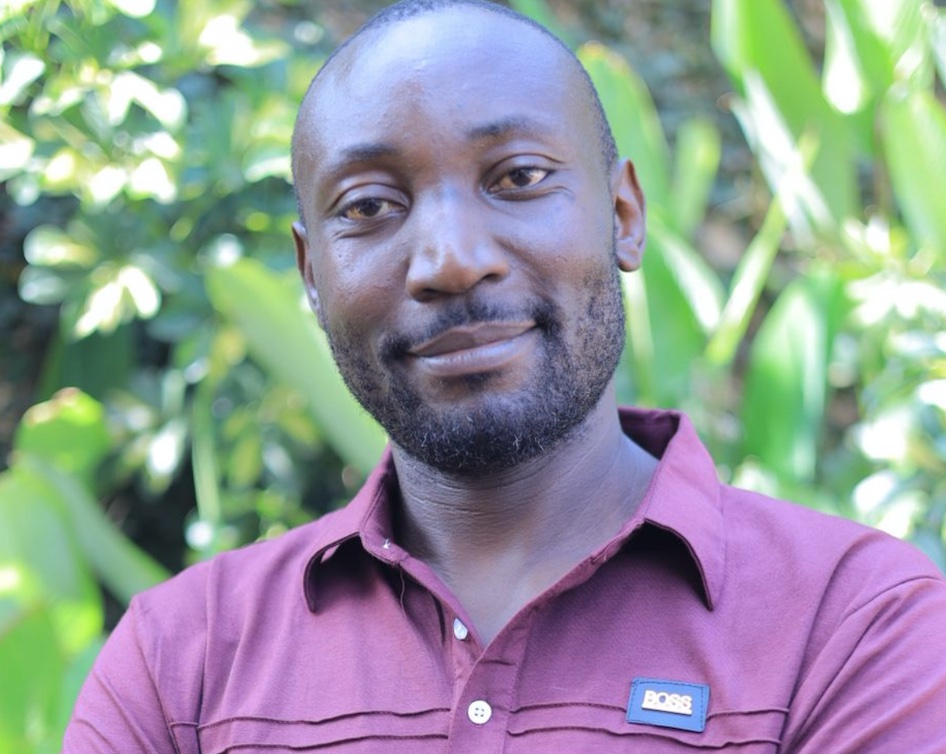
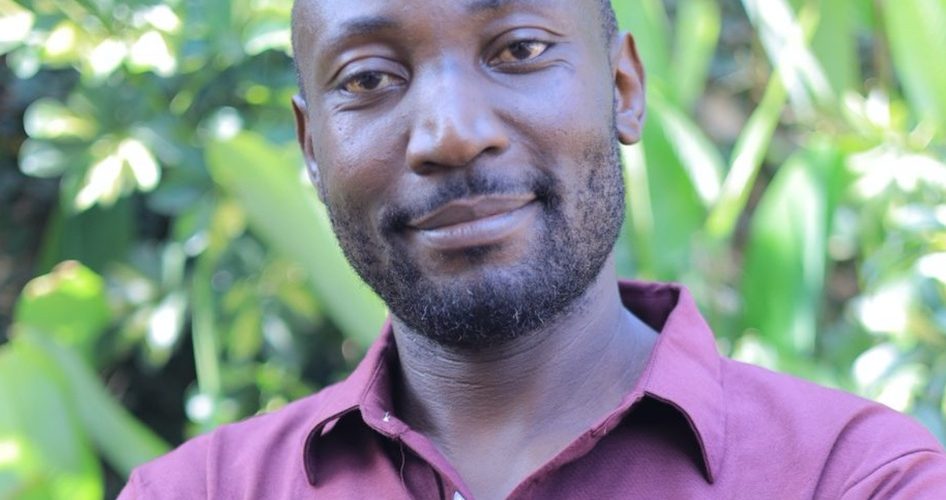
By Richard Lugobwa Kizza
LONDON. Uganda’s political debate increasingly turns on a question more fundamental than whether the country has laws, courts, Parliament and security agencies: do those institutions operate under the rule of law, or are legal powers being used to protect those who govern? Lord Bingham’s definition sets out a simple but demanding standard. Public authorities are not outside the law; they are bound by it and must be able to claim its protection on the same terms as everyone else. That principle is central to any credible constitutional democracy.
The rule of law is not established merely because a government passes legislation, creates enforcement agencies and compels citizens to comply. In Uganda’s case, the government governs through laws while still undermining the rule of law.
The distinction is between law as a restraint on power and law as an instrument of power. In the latter situation, legislation may be used selectively to intimidate critics, restrict peaceful political activity, or give an appearance of legality to conduct that should instead be tested against constitutional rights and independent judicial scrutiny.
This does not mean that every law must be popular or that public disagreement automatically makes legislation invalid. Democratic societies need laws, including laws that some citizens oppose. But the process and substance of law-making matter.
Laws should be made through constitutionally proper and genuinely accountable processes; they should be clear, accessible and reasonably predictable; and they must respect fundamental rights. Public participation, parliamentary scrutiny and the opportunity to challenge state action are not inconveniences. They help give law democratic legitimacy and prevent public power from becoming arbitrary.
Uganda’s Constitution provides a clear starting point. Article 1 vests sovereignty in the people, while Article 2 establishes the Constitution as the supreme law. Article 21 guarantees equality before and under the law. Article 29 protects freedoms including expression, assembly and association.
Article 208 describes the Uganda People’s Defence Forces as a professional, disciplined and national force, subordinate to civilian authority and non-partisan. These provisions are not ceremonial statements. They set standards by which the conduct of government and state institutions should be judged.
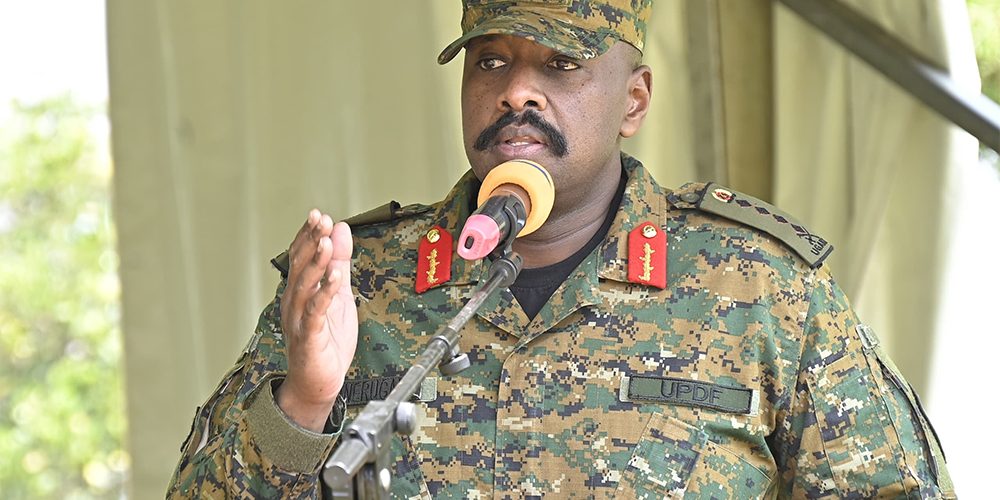
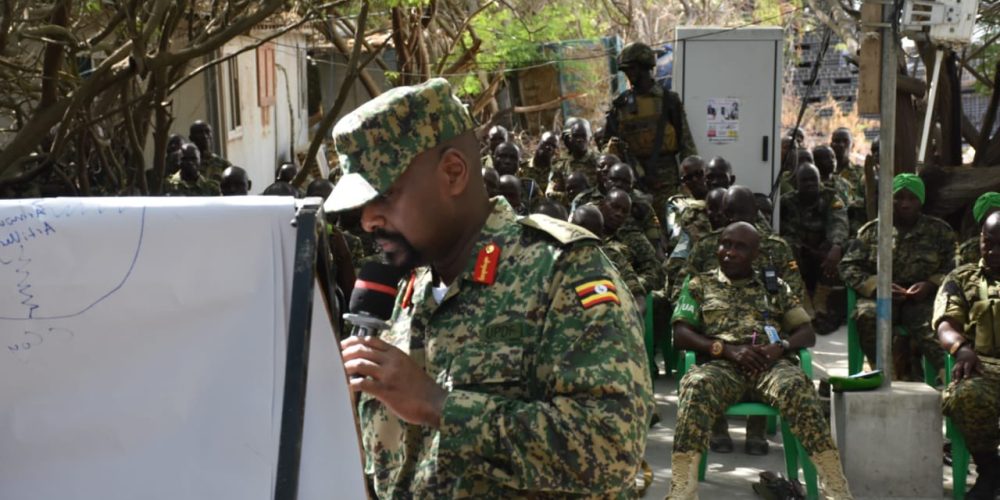
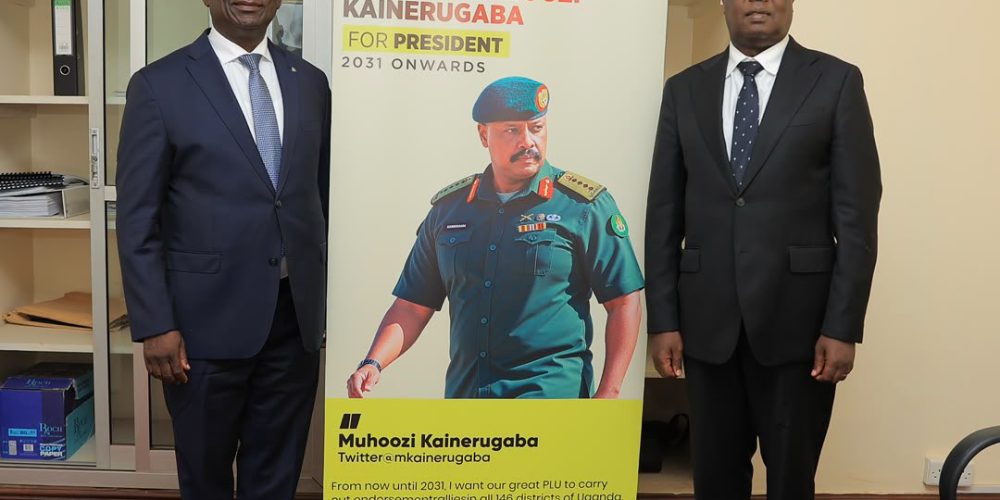
Those standards are particularly important when considering the expanding public profile of General Muhoozi Kainerugaba, the President’s son and Commander of the Uganda People’s Defence Forces. His military office carries public responsibilities and constitutional limits. The concern is not that a serving officer should be excluded from public discussion simply because of his family relationship with the President. It is that military command must not become entangled with partisan competition or personal political ambition.
The armed forces exist to serve the country and the constitutional order, not an individual, a family or a political faction. The Constitution’s requirement of civilian authority and political non-partisanship must have practical meaning.
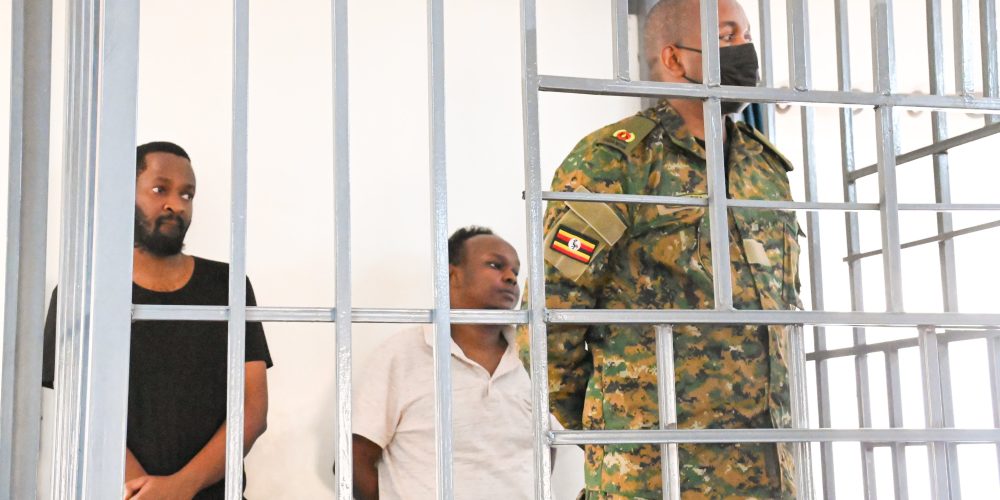
Recent developments have intensified these concerns. Human Rights Watch reported in July 2026 allegations that military personnel seized critics, held some incommunicado and that critics were subsequently subjected to criminal proceedings. It also reported public statements by General Kainerugaba concerning some of those detentions. The UN High Commissioner for Human Rights warned in July 2026 of a crackdown on dissent, increased military involvement in civilian functions and a gradual erosion of the rule of law.
The constitutional question, however, is unmistakable: what safeguards exist when security institutions are alleged to have acted beyond their lawful powers? A lawful state must ensure that anyone arrested is dealt with according to the law, brought before an authorised court within the required time, given access to legal representation and afforded a fair hearing.
Courts must be able to examine the legality of detention without intimidation. Equally, public officers and military personnel must be subject to investigation and accountability where credible allegations of abuse arise. The rule of law loses meaning if the powerful enjoy impunity while ordinary citizens face the full force of the state.
The answer is not to weaken law enforcement or to suggest that national security is unimportant. It is to insist that security measures remain lawful, necessary, proportionate and reviewable. Parliament must scrutinise legislation and the executive; the judiciary must remain independent; journalists and civil society must be able to investigate and criticise public power; and opposition parties must be able to organise and compete peacefully. Dissent is not, by itself, disloyalty. In a democracy, it is one of the ways citizens hold their government to account.
Uganda therefore needs more than laws on the statute book. It needs laws that restrain government as effectively as they regulate citizens, institutions that can enforce those limits without fear or favour, and leaders willing to submit their own conduct to constitutional scrutiny. The test of the rule of law is not how efficiently the state can compel obedience. It is whether the state itself obeys the law.
The writer is an advocate for democracy and justice through the arts, media and other platforms
Email: richardlk63@gmail.com
Tel: +447351353725