

Uganda at a Crossroads: The 1986 Revolution in Reverse
BY RICHARD LUGOBWA KIZZA
LONDON. Forty years ago, the National Resistance Army (NRA) rebels marched into Kampala promising to end arbitrary arrests, political persecution and the abuse of state power. Rebel leader Yoweri Museveni justified the 1986 bush war as a struggle against impunity and the violation of citizens’ rights.
Today, many Ugandans are asking an uncomfortable question: has the revolution come full circle? The recent wave of abductions targeting opposition politicians and government critics has raised profound concerns about Uganda’s democracy and the real meaning of the 1986 revolution.
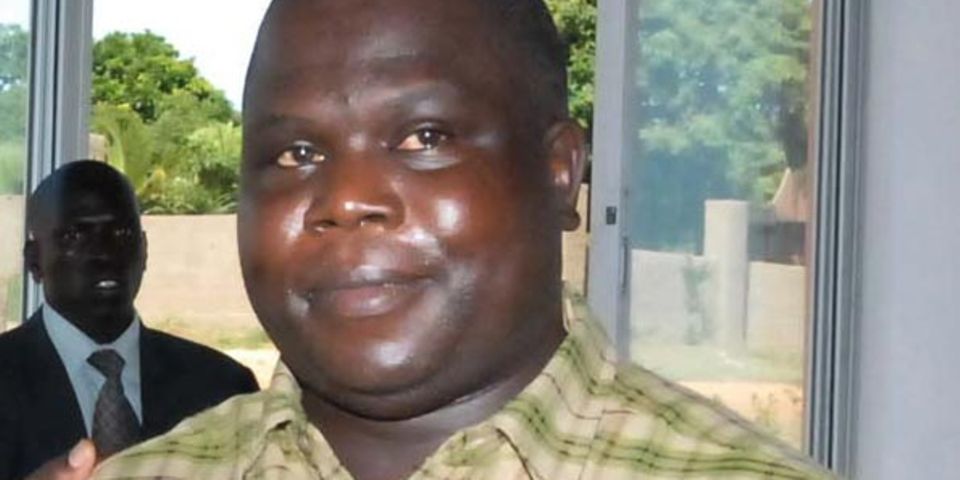
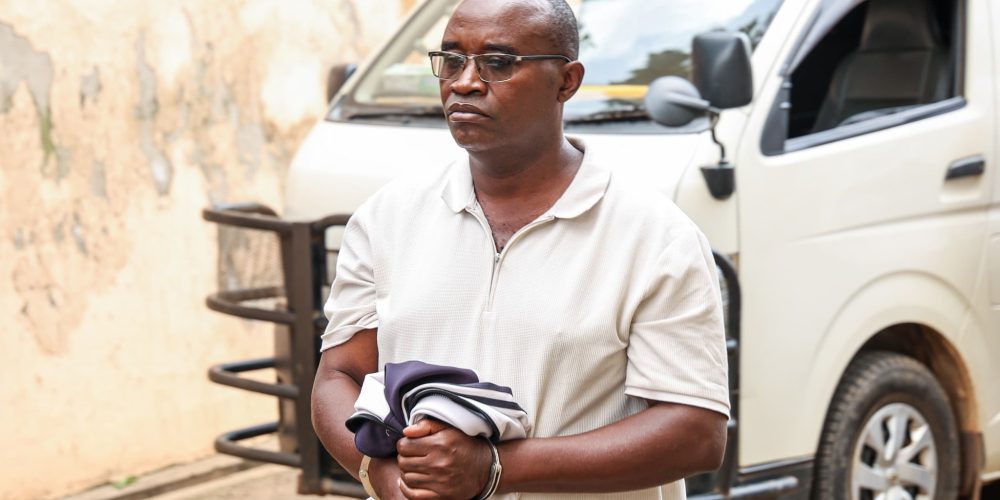
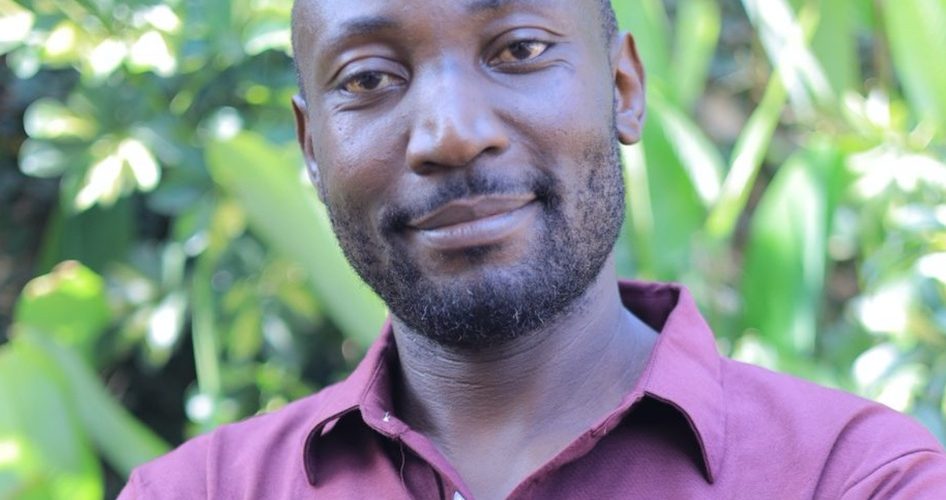
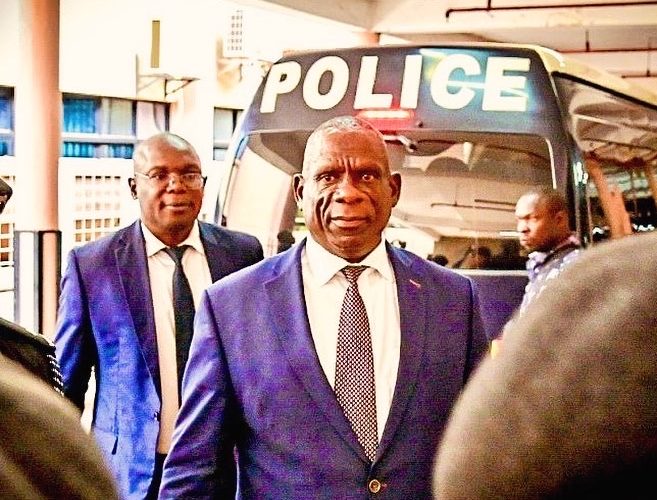
The brutal arrests and torture on camera of opposition figures, including veteran lawyer and politician Erias Lukwago, former Ethics Minister Miria Matembe, the abduction and disappearance of former Butambala County MP Mohammad Muwanga Kivumbi, and others, has created an atmosphere of fear that extends far beyond political circles.
Even more disturbing are the cases of those who simply vanished. Among them is Johnbosco Kibalama, whose fate remains unknown. For every high-profile politician whose disappearance attracts public attention, there are countless ordinary Ugandans whose names never make headlines. Families are left searching for answers, while the silence from authorities deepens suspicion and mistrust.
No democracy can thrive when citizens fear expressing political opinions. Elections lose meaning when opposition leaders risk imprisonment, disappearance, exile or death simply for challenging those in power. The rule of law becomes little more than a slogan when security agencies appear to operate outside constitutional safeguards.
Central to these concerns is the growing influence of General Muhoozi Kainerugaba, President Museveni’s son and Chief of Defence Forces. Over the past few years, Muhoozi has increasingly become the face of Uganda’s security establishment. His public statements, made through social media acknowledging and celebrating abductions, unlawful detention, and torture of government critics, indicate how military power is being exercised without accountability. Recent cases involving Erias Lukwago have only intensified fears that military authority is overshadowing civilian institutions.
For General Museveni, this presents a painful historical irony. The justification for the bush war rested on ending exactly these kinds of abuses. In his famous critique of previous governments, Museveni condemned arbitrary arrests, disappearances and the use of state security against political opponents. Those principles inspired generations of Ugandans who believed the NRA-led revolution represented a new beginning built on constitutionalism and respect for human rights. If today’s Uganda witnesses the same practices that yesterday’s revolution fought against, what remains of that original promise?
Perhaps the greatest tragedy is not the suffering of opposition politicians and supporters alone but the gradual erosion of public confidence. Young Ugandans have grown up under one president. They have never experienced a peaceful transfer of power. Instead, they increasingly associate politics with intimidation, military deployments, disappearances and death.
The political exile of opposition figures further illustrates this reality. Robert Kyagulanyi, popularly known as Bobi Wine, now living in the United States for fear for his life, argues that credible threats to his safety make normal political activity at home nearly impossible.
Veteran journalist and politician Ibrahim Ssemujju Nganda has also remained abroad for extended periods amid growing concerns about political persecution and personal security. Whether temporary or prolonged, such self-imposed exile reflects the shrinking political space available to dissenting voices.
Uganda stands at a defining moment in its history. The central question is no longer simply who will succeed General Museveni, but what kind of nation Uganda will become after him. Will its institutions prove stronger than the individuals who lead them? Will the Constitution prevail over military influence? And will political competition return to the ballot box, rather than being overshadowed by arbitrary detention in the illegal holding facilities popularly referred to as “basements” by General Muhoozi Kainerugaba, or the “fridge,” as President Museveni has described them?
History teaches that nations rarely lose their freedoms overnight. Democratic decline often happens gradually, one unlawful arrest, one disappearance, one silenced critic at a time. Eventually, extraordinary abuses become ordinary.
Ugandans deserve better. The country possesses immense potential, a youthful population, entrepreneurial energy and abundant natural resources. Yet no amount of economic progress can substitute for justice, accountability and respect for human dignity. Prosperity built upon fear is fragile.
The revolution of 1986 promised freedom from arbitrary rule. Preserving that promise requires more than celebrating past victories; it demands confronting present realities. Since enforced disappearances, political intimidation and unchecked security powers become accepted features of national life, Uganda has betrayed not only its Constitution but also the very ideals upon which the current government was founded.
The country’s future remains unwritten. But the choices made today by those in power, by institutions entrusted with justice and by citizens determined to defend their rights will determine whether the country moves toward renewal or further away from the democratic aspirations that inspired a revolution four decades ago.
The writer is an advocate for democracy and justice through the arts, media, and other platforms
Email: richardlk63@gmail.com
Tel: +447351353725