

How Persis Namuganza’s Bukono Win Was a Victory Against Among’s Money and Power
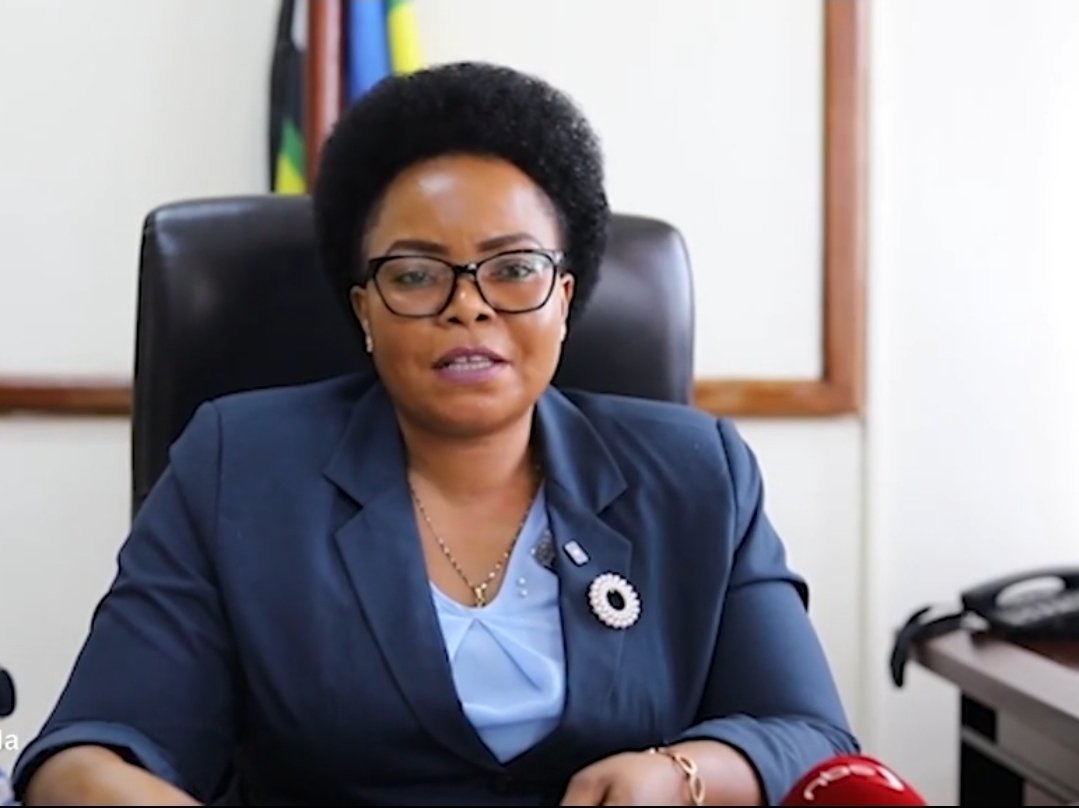
The outcome of the Bukono parliamentary race offers an important lesson about politics in Uganda: money, powerful endorsements, and institutional influence do not always triumph over grassroots connection, political resilience, and the trust of ordinary voters.
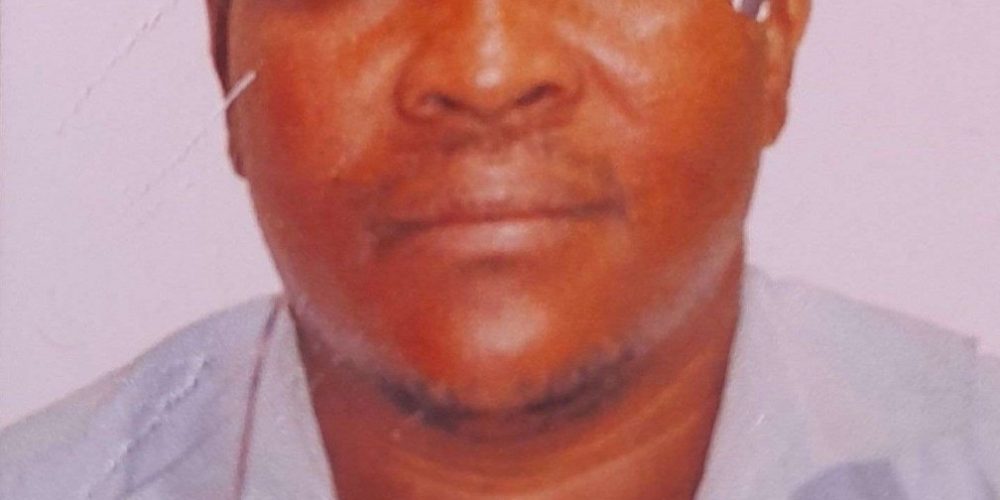
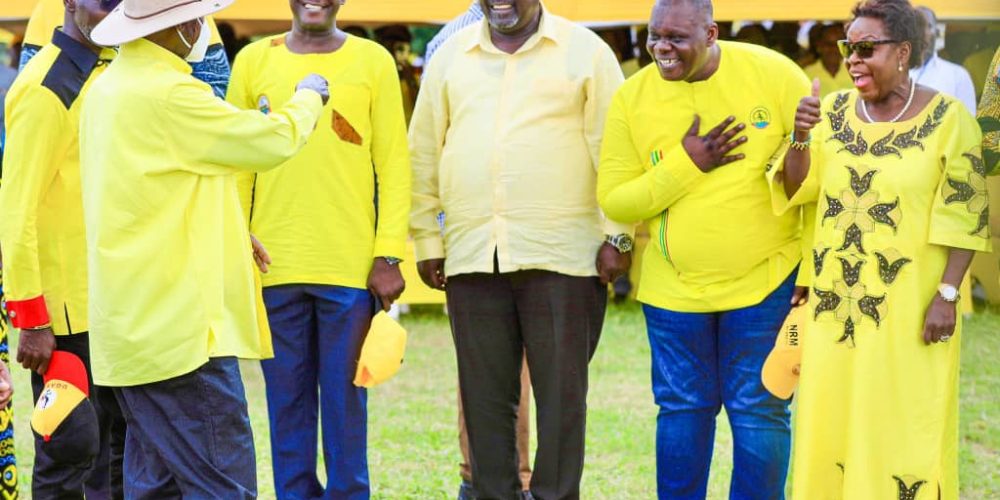
For months, the odds appeared heavily stacked against incumbent MP and State Minister for Lands Persis Namuganza. Powerful figures within the ruling National Resistance Movement (NRM) were widely perceived to have lined up behind her challenger, Emmanuel Maganda, turning the contest into one of the most fiercely watched political battles in Busoga.
At the centre of that contest was the influence of former Speaker of Parliament Anita Among. Her political stature within the NRM, coupled with reports of significant financial backing for Namuganza’s rival, created the impression that the Bukono race had already been decided by forces far bigger than the constituency itself. To many observers, Namuganza appeared isolated, outmatched, and destined for political defeat.
The NRM primaries seemed to validate that view when she lost the party ticket. In Uganda’s political landscape, losing an NRM primary is often regarded as a political death sentence. Many politicians who suffer such defeats quietly withdraw, lacking the resources, structures, and confidence to challenge the party-backed candidate.
Namuganza refused to disappear.
Instead, she took her fight directly to the people of Bukono. She abandoned the comfort of party structures and returned to the voters who had elected her before, asking them to judge her not on endorsements from Kampala, but on her record, accessibility, and years of engagement with the constituency.
It was a bold political gamble.
What followed was a remarkable demonstration of the limits of money and elite influence. Despite facing a candidate believed to enjoy the backing of powerful political actors and substantial financial resources, Namuganza steadily rebuilt momentum on the ground. Village meetings, personal networks, loyal supporters, and years of direct interaction with voters became her campaign machinery.
When the ballots were counted, Bukono delivered a verdict that few in the political establishment expected.
The result was not merely a victory for Namuganza. It was a victory for grassroots politics.
Her comeback showed that political capital accumulated over years cannot always be replaced by campaign spending. Voters may appreciate financial support during elections, but they ultimately remember who stood with them long before campaign season arrived.
Namuganza’s political career has been defined by confrontation, resilience, and an unwillingness to bow to pressure. Throughout her years in public life, she has survived numerous political storms, often emerging stronger than many predicted. Whether one agrees with her style or not, her supporters see her as a leader who fights her own battles and refuses to surrender when confronted by more powerful opponents.
That image of resilience appears to have resonated strongly with voters.
The Bukono result also highlights a broader trend within Uganda’s politics. Increasingly, candidates who believe they have been unfairly pushed aside in party primaries are testing their popularity directly before voters. Some are discovering that party endorsements and establishment support do not always translate into electoral success.
For the NRM, the election serves as a reminder that primary victories are not necessarily the final verdict. Political parties can endorse candidates, powerful individuals can influence campaigns, and money can lubricate political machinery, but voters retain the final say.
The people of Bukono sent a clear message. They were not interested in rubber-stamping the preferences of powerful political actors. They chose the candidate they believed knew them, represented them, and had stood with them through the years.
In the end, Persis Namuganza did not defeat money with more money. She defeated it with resilience, visibility, local networks, and a bond with voters that proved stronger than the influence aligned against her.
For politicians across Uganda, the lesson from Bukono is simple: power can open doors and money can fuel campaigns, but neither is a guaranteed substitute for the trust and loyalty of the people.
In an era where elections are increasingly influenced by financial muscle and political patronage, Bukono has reminded the country that voters can still defy expectations and write their own political story.