

Somali President ‘begs’ for more time as Gen Muhoozi starts UPDF withdrawal
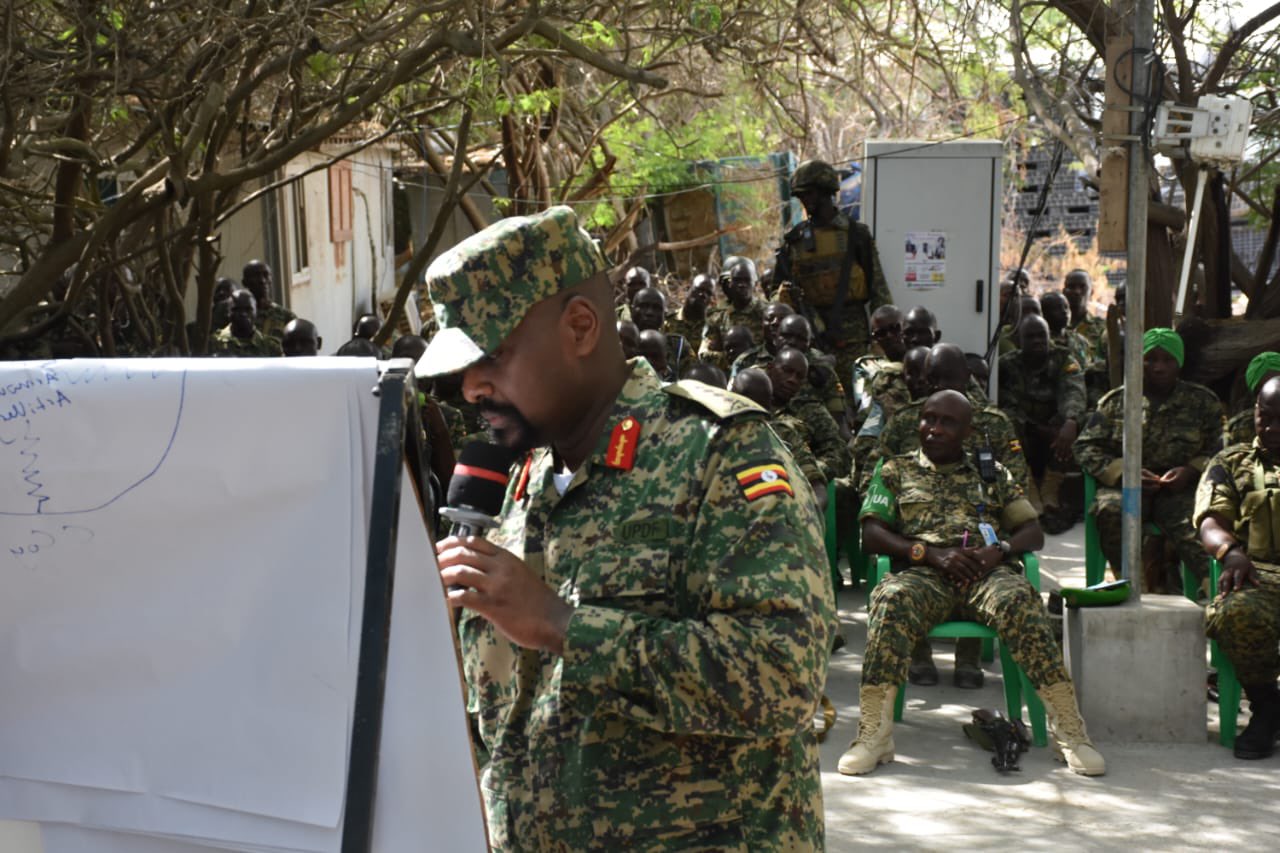
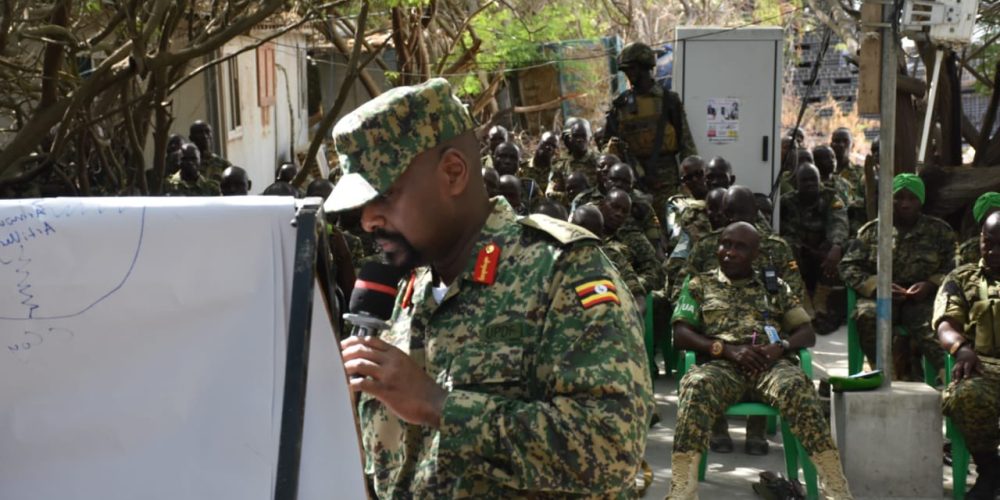
KAMPALA — Somalia’s President Hassan Sheikh Mohamud has appealed for Ugandan troops to remain in the country longer to help defeat Al-Shabaab, even as Chief of Defence Forces Gen Muhoozi Kainerugaba announced that the Uganda People’s Defence Forces (UPDF) had started withdrawing from Somalia.
The developments have raised questions about the future of Uganda’s military engagement in Somalia after two decades of sacrifices by Ugandan troops in efforts to restore peace and security in the troubled Horn of Africa nation.
“As we promised, we have started withdrawing UPDF from Somalia. After 20 years of a lot of blood and sacrifice, we are handing over security to our Somali brothers,” Gen Muhoozi wrote on X on Friday.
His announcement came days after President Yoweri Kaguta Museveni met President Mohamud at State House, Entebbe, on October 26, 2026, during the Somali leader’s official visit to Uganda.
During the meeting, Mohamud briefed Museveni on Somalia’s security situation and commended the contribution of Ugandan troops to efforts to stabilise the country. He also expressed hope that Uganda would extend its military presence to allow Somali security forces more time to consolidate their gains against Al-Shabaab.
The appeal underscores Somalia’s continuing dependence on regional military support as it seeks to strengthen its own security institutions and take full responsibility for protecting its territory.
Uganda has been a major contributor to African Union-led peace support operations in Somalia, with its troops playing a central role in fighting Al-Shabaab, an Islamist militant group that continues to threaten the country’s security.
Gen Muhoozi’s announcement signals a move towards transferring greater responsibility for security to Somali forces after years of military engagement.
During the Entebbe meeting, Museveni challenged Somali leaders and citizens to unite against Al-Shabaab, arguing that ideological divisions and a failure to correctly identify the country’s problems had undermined efforts to achieve lasting peace.
“The problem of Somalia is ideological and a misdiagnosis of problems,” Museveni said.
“All the problems you’re talking about, we know them. We need to be organised and stand with the main problem,” he added.
Museveni warned that divisions among the majority could allow a minority to maintain its influence, urging Somali leaders to organise around their common security challenges.
“Unite the many to defeat the few, but some Africans want to annoy the many to stay with the few,” he said.
The Ugandan President drew parallels with other African countries, including Sudan, where sectarian approaches to governance have contributed to political divisions and exclusion.
The withdrawal announcement comes against the backdrop of ongoing efforts to transfer security responsibilities to Somali forces following years of African Union military operations.
The transition requires Somali security institutions to demonstrate their capacity to defend the country against Al-Shabaab while maintaining stability in areas recovered from the militants.
Although Mohamud’s appeal highlights the need for continued support, the announcement by Gen Muhoozi indicates that Uganda is moving ahead with its stated withdrawal plans.
The timing and scope of the withdrawal, including the arrangements for handing over security responsibilities, will be important in determining how the transition unfolds.
Uganda’s military engagement in Somalia has come at a significant cost in personnel and resources over the past two decades, making the handover a major development in the country’s regional security commitments.
Trade ties
Beyond security, Museveni and Mohamud discussed ways to strengthen economic cooperation, particularly through direct exports of Ugandan coffee to Somalia.
Museveni welcomed Somalia’s decision to allow Uganda to establish a warehouse in the country to facilitate the marketing and sale of processed Ugandan coffee.
Nelson Tugume, who recently returned from Somalia, told the two leaders that Somali consumers import coffee from European countries, with Ugandan coffee reportedly reaching the market through intermediaries.
The proposed warehouse is expected to provide Ugandan exporters with a more direct route to Somali consumers, potentially reducing intermediary costs and creating opportunities for increased trade.
Somalia’s Ambassador to Uganda, Fardowsa Mohamed Qanyare, said approximately 8,000 Somalis operate businesses in Uganda, while about 15,000 Somali students are studying at Ugandan universities.
The figures highlight the existing commercial and educational links between the two countries, which both governments are seeking to strengthen.
The meeting was attended by the Minister of State for Foreign Affairs, Haruna Kasolo; the Minister of State for Defence and Veteran Affairs, Huda Abason Oleru; Foreign Affairs Permanent Secretary Vincent Bagiire; and Uganda’s Ambassador to Somalia, Prof. Sam Tulya-Muhika.