

Bobi Wine’s Return: A Symbol of Resistance, Hope, and Unbreakable Belief
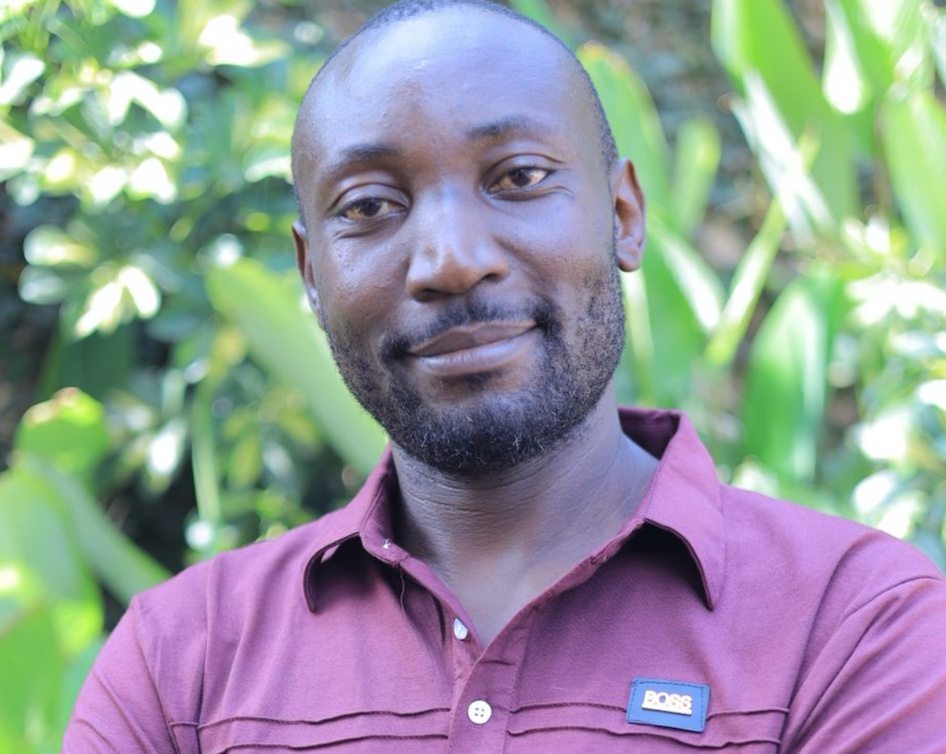
BY RICHARD LUGOBWA KIZZA
LONDON. The forced departure of the President of the National Unity Platform party, Robert Kyagulanyi Sentamu, popularly known as Bobi Wine, from Uganda in March this year, is not just the story of one man seeking safety. It is the story of a nation under siege by repression, fear, and the tightening grip of a regime that has ruled for decades without accountability. His exit lays bare a painful truth: in today’s Uganda, speaking for freedom can cost you your life.
Bobi Wine did not leave Uganda out of choice or weakness. He was driven out by a system that has repeatedly shown its intolerance for opposition. Following a deeply contested election, widely criticized for irregularities and suppression, state security forces unleashed a wave of intimidation against opposition voices. Wine’s home was raided by the military, forcing him into hiding like a fugitive in his own country.
Even more disturbing are the accounts involving his family. His wife, a steadfast partner in his struggle, has faced harassment at the hands of security forces searching for him. Armed personnel stormed their home, subjecting her to intimidation and fear in a chilling reminder that under this regime, even families are not spared.
This is not an isolated case; it is part of a broader pattern of brutality that has defined General Museveni’s rule. For years, opposition leaders have been harassed, arrested, and silenced. The repeated detention of Dr. Kizza Besigye, a veteran opposition figure and four-time presidential candidate, stands as one of the clearest examples of how the state treats those who dare to challenge power. His arrests, under fabricated charges, have become symbolic of a justice system bent to serve political ends rather than the rule of law.
The threats have escalated to an alarming level. The president’s son, and army commander, has publicly issued statements calling for Bobi Wine’s capture, imprisonment, and even death. Such rhetoric is not only reckless, it is dangerous. It signals a willingness within powerful circles to cross every line of decency and legality to eliminate political opposition.
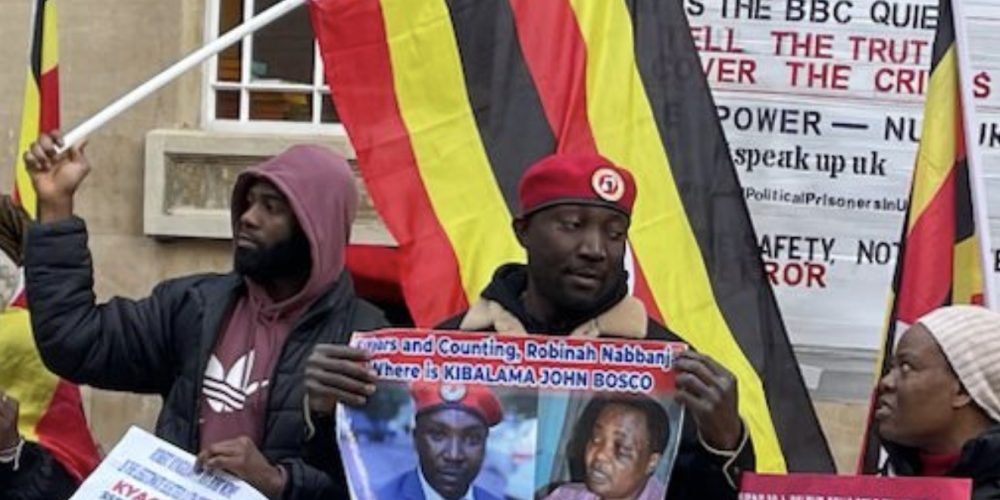
Amid these relentless threats, state-sponsored intimidation, and a coordinated propaganda machine designed to discredit him, Bobi Wine has delivered an unambiguous message: he will return to Uganda. He rejects the regime’s attempt to criminalize dissent, insisting that standing up to dictatorship is not a crime but a duty. Far from being silenced, his resolve has only hardened, turning his promised return into a powerful act of defiance against a system determined to suppress the will of its people.
His departure was not a surrender, the regime apologists put it. It was a strategy. He has consistently affirmed that his struggle belongs in Uganda, alongside the millions who look to him as a voice and figure of hope. His temporary absence is a necessary step to preserve his life, but his mission remains unchanged. He intends to come back, to stand with his people, and to continue the fight for a free and democratic Uganda. The question, however, is what awaits him.
If he returns, he faces the very real possibility of arrest, detention, or even death. The regime has shown time and again that it is willing to use force to maintain control. But Bobi Wine’s courage lies precisely in his refusal to be intimidated by these threats. His willingness to risk everything has inspired a generation that refuses to accept the status quo. And that is where hope lies.
History teaches us that no regime, no matter how entrenched, can suppress the will of the people forever. From other parts of Africa to the wider world, change has often come after long periods of struggle. Uganda is no exception. The desire for freedom, dignity, and accountability cannot be extinguished.
But hope alone is not enough. There is an urgent need for action, both locally and internationally. Ugandans must continue to demand their rights, to speak out against injustice, and to stand in solidarity with those who risk their lives for change. Civil society, religious leaders, and community voices all have a role to play in pushing back against repression.
At the same time, the international community must not look away. Governments, human rights organizations, and global institutions have a responsibility to hold the Ugandan regime accountable. Silence in the face of oppression only emboldens those who perpetuate it. Diplomatic pressure, targeted sanctions, and sustained advocacy can make a difference.
Bobi Wine’s story is not just about one leader; it is about the future of Uganda. His forced exile is a stark reminder of how far the country has drifted from democratic ideals. But his determination to return is a powerful signal that the fight is far from over.
Uganda’s freedom may not come easily, and it may not come quickly, but the seeds of change have already been planted. Every act of courage, every voice raised against injustice, brings that day closer.
When Bobi Wine steps back onto Ugandan soil, it will not just be the return of a politician. It will be the return of a symbol, a symbol of resistance, of hope, and of an unbreakable belief that the people of Uganda deserve better, and will mark the beginning of the end for a regime that has held on for far too long.
The writer is an advocate for democracy and justice through the arts, media, and other platforms
Email: richardlk63@gmail.com
Tel: +447351353725