

Uganda Oman Ties Fuel Economic Growth
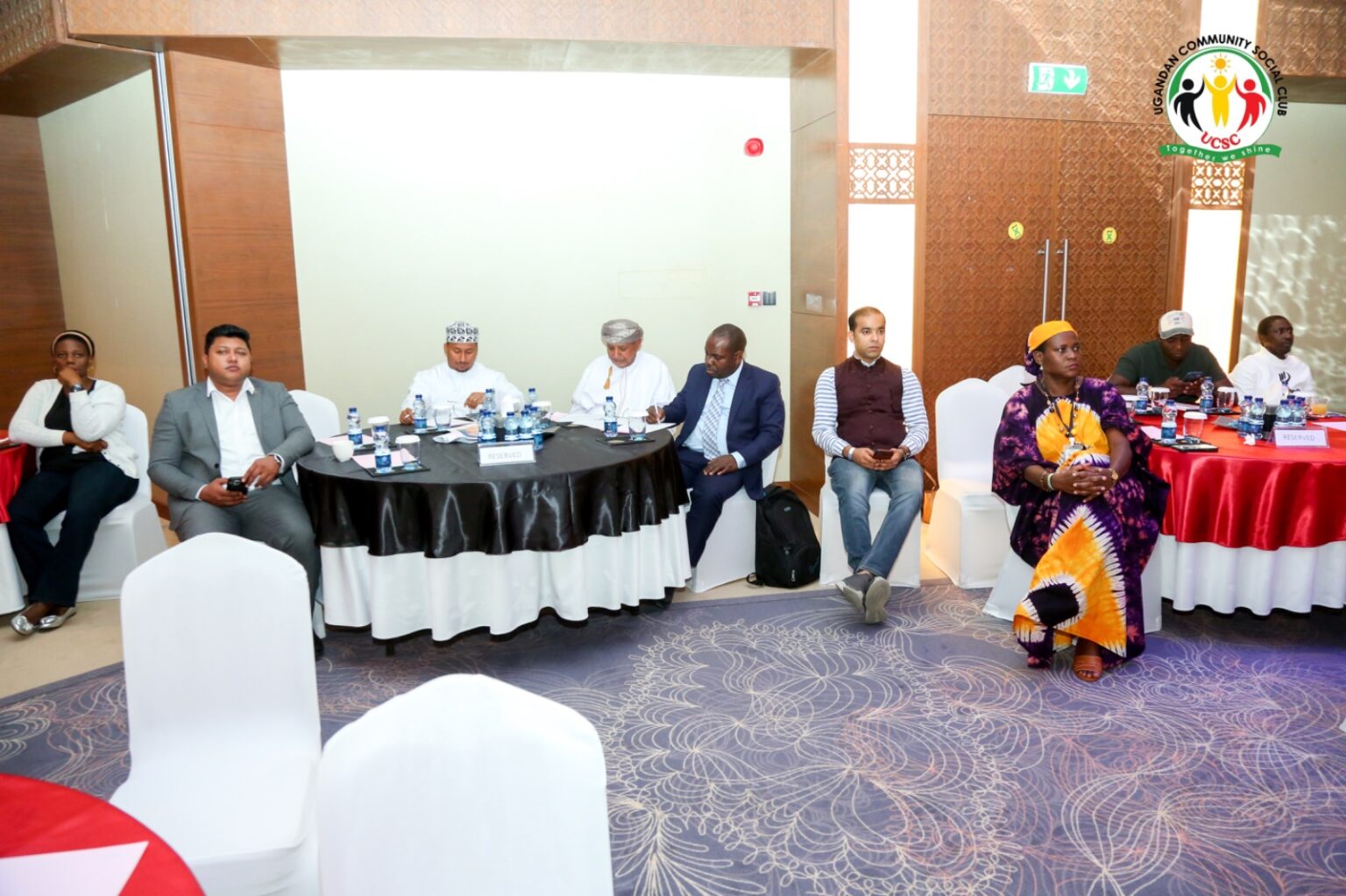
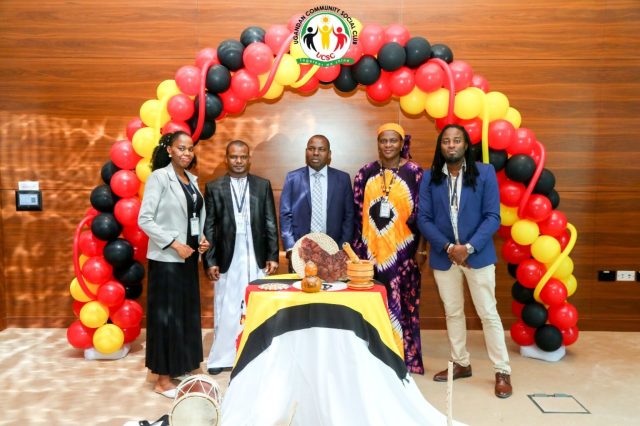
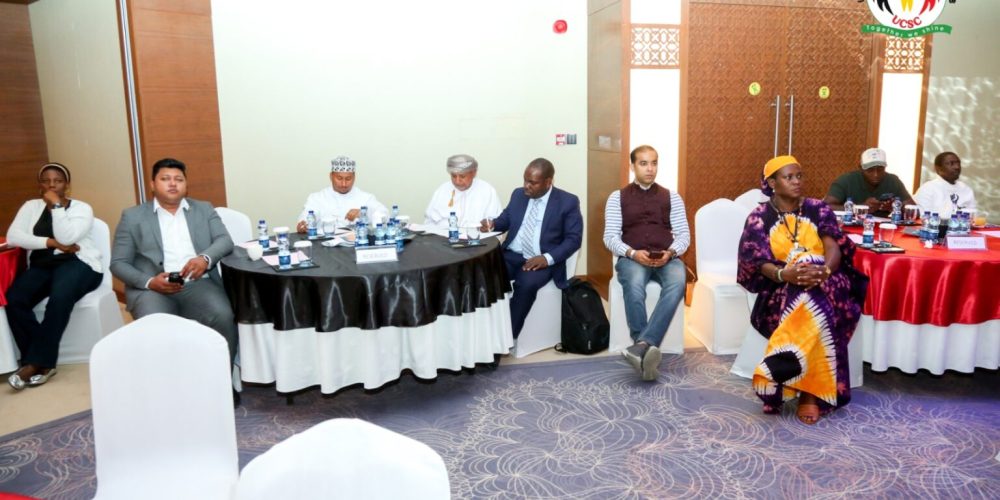
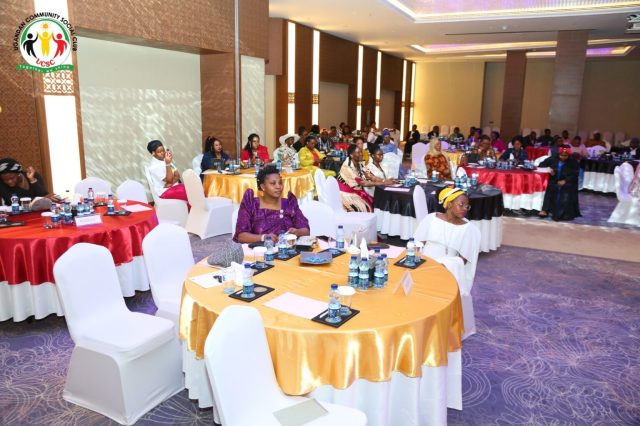
MUSCAT – On the evening of November 28, 2025, the Royal Tulip Hotel in Al Ghubra became a vibrant hub of diplomacy and commerce.
Organized by the Ugandan community in Oman in collaboration with the Republic of Uganda’s Embassy, the event served as a high-level business forum and cultural showcase, marking a significant milestone in the strengthening of bilateral ties between the two nations.
The recent business forum and cultural festival marks a transformative chapter in the diplomatic and economic narrative between Uganda and the Sultanate of Oman.
The gathering transcended a mere community meetup, evolving into a strategic platform where history, culture, and capital intersected.
The presence of high-ranking officials alongside the Ugandan diaspora signaled a shift from passive residency to active economic ambassadorship, suggesting that both nations are ready to leverage their historical ties for contemporary gain.
From an analytical perspective, the event addressed a critical need for structured investment pathways. By integrating virtual presentations from the Ugandan Mortgage Finance Bank and the Social Security Fund, the forum provided a pragmatic solution to the challenge of financial distance.
For the thousands of Ugandans living in Oman, the message was clear: their earnings in the Gulf can be seamlessly transitioned into long-term stability and infrastructure development back home.
This creates a circular economy where the labor export to the Sultanate directly fuels the domestic growth of Uganda, particularly in the housing and agricultural sectors.
The participation of major industry players like Ethiopian Airlines and local Omani cold storage firms highlights the logistical backbone required to turn these diplomatic intentions into reality. Uganda is currently positioning itself as a premier destination for tourism and organic exports.
By showcasing these opportunities to Omani economic figures, the forum sought to bridge the gap between Uganda’s vast natural resources and Oman’s vision for food security and diversified investment.
The emphasis on tourism specifically aims to tap into the high-spending Omani market, offering a unique “Pearl of Africa” experience that contrasts with traditional Middle Eastern landscapes.
Cultural diplomacy served as the invisible glue for these economic ambitions.
The inclusion of Omani writer Mohammed Nasser Al-Harthi, who reflected on the deep-rooted historical connections between the two regions, served as a powerful reminder that this partnership is not a modern experiment but a revival of an ancient bond.
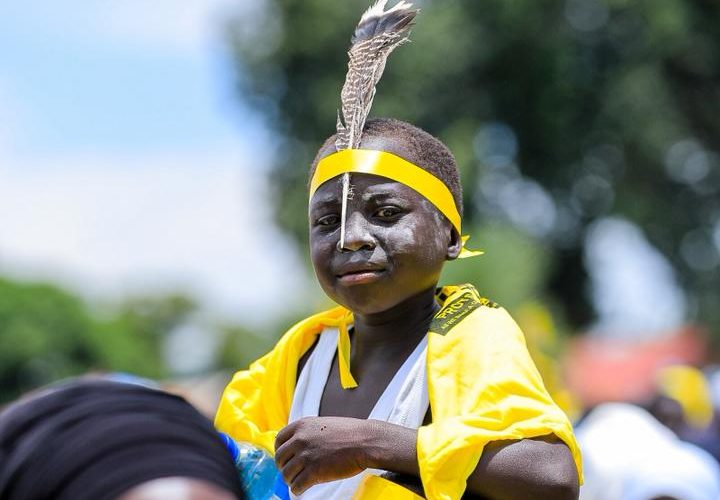
By celebrating “Unity in Diversity” through folkloric dances and traditional costumes, the Ugandan community demonstrated a high degree of social integration in Oman while maintaining a fierce pride in their national identity.
This cultural confidence is essential for building the mutual trust required for high-stakes international business.
The forum concluded not just with a celebration of heritage, but with a clear mandate for the future. The success of the event proves that the diaspora is no longer just a source of remittances, but a sophisticated network of investors and intermediaries.
As both countries look toward a future of increased trade and mutual cooperation, such initiatives provide the necessary human connection that spreadsheets and formal treaties often lack. Through the synergy of song, dance, and serious economic debate, Uganda and Oman have laid a foundation for a partnership that promises to be as enduring as their shared history.