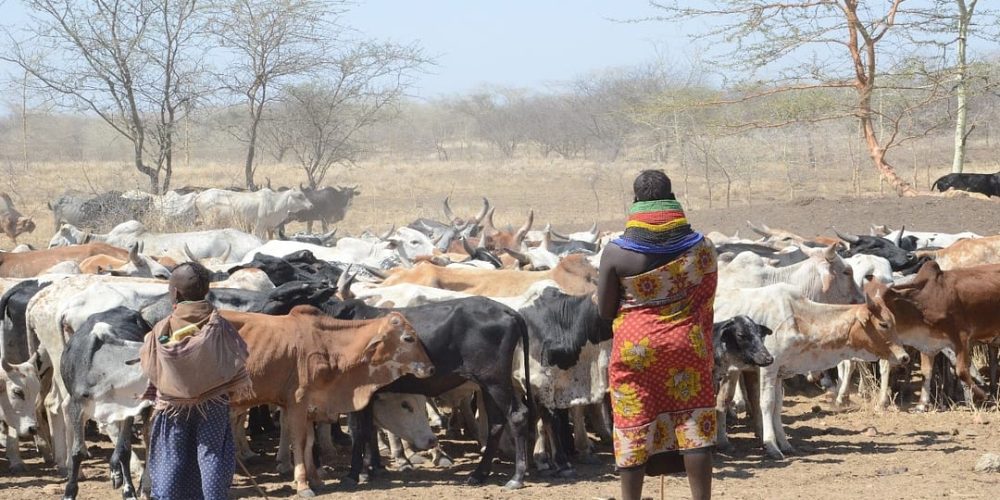


Preserving the Ankole Longhorn: Inside Uganda’s effort to improve milk production without crossbreeding
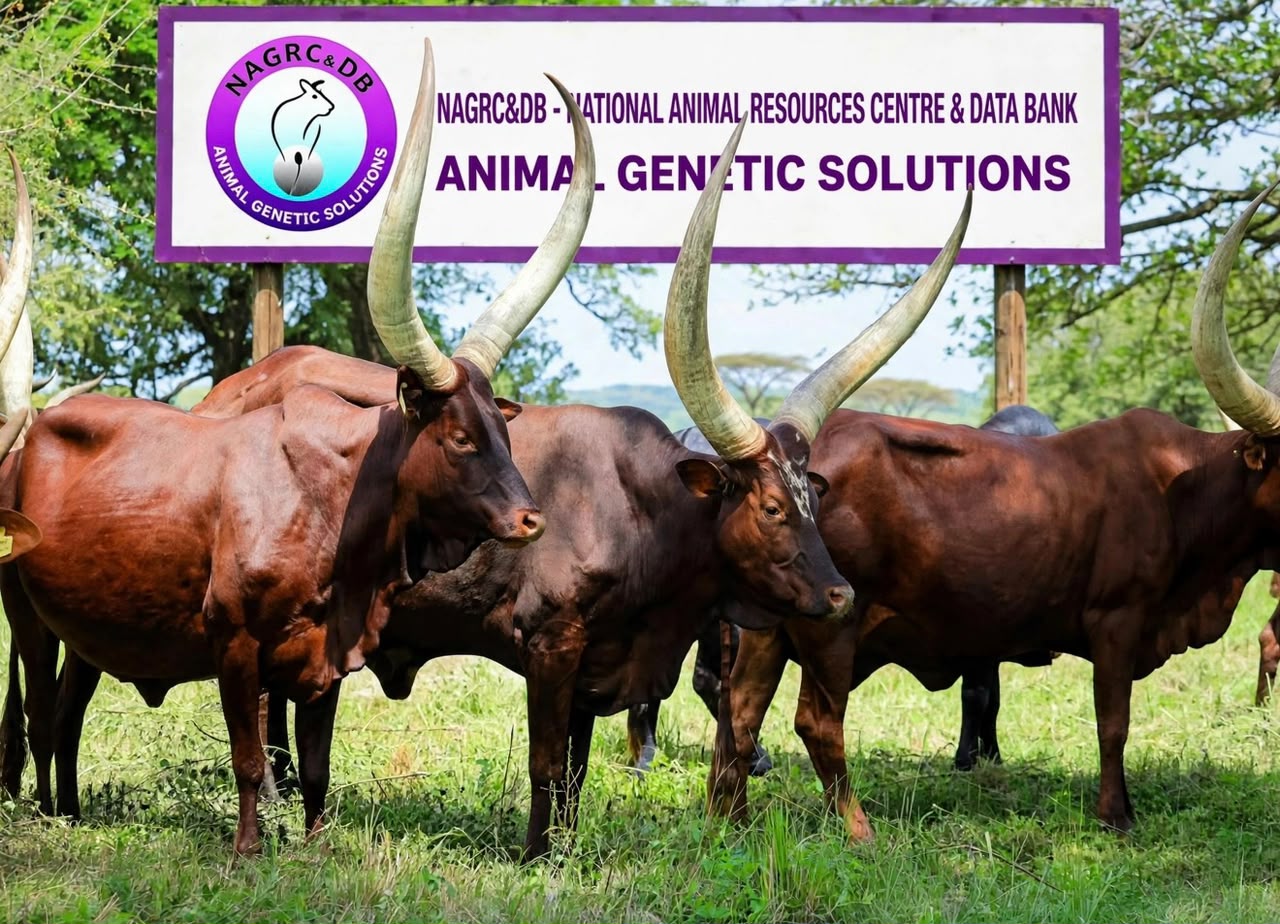
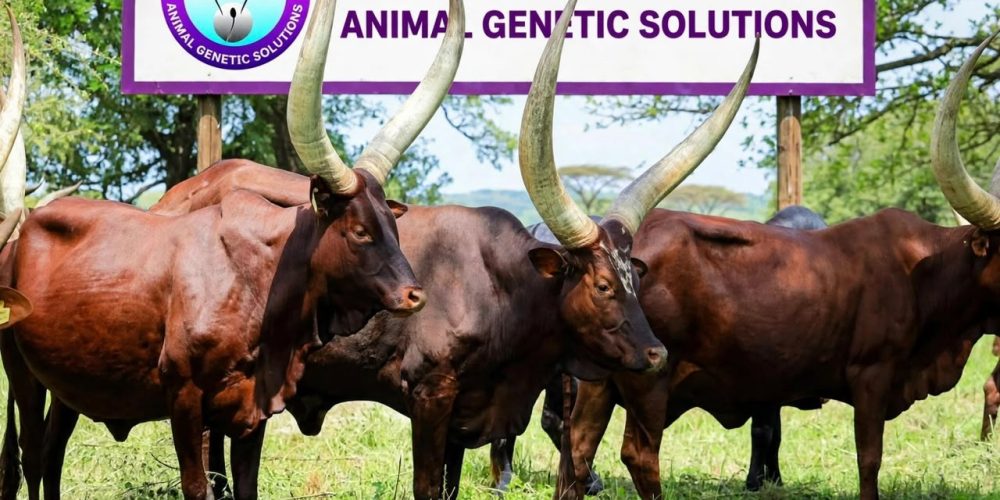
KIRUHURA: The Ankole Longhorn, recognised for its distinctive long horns, hardiness and cultural significance, is at the centre of a livestock improvement initiative that seeks to reconcile agricultural productivity with the conservation of indigenous genetic resources.
At Nshaara Conservation Ranch in Kiruhura District, the National Animal Genetic Resources Centre and Data Bank (NAGRC&DB) is developing a high-milk-yielding pure Ankole dairy population through selective breeding, with the aim of improving milk production without introducing exotic dairy genetics.
The programme reflects a different approach to livestock improvement, one that seeks to unlock the genetic potential of indigenous cattle rather than replace them with breeds selected primarily for commercial dairy production.
Dr Innocent Tuwangye, manager of Nshaara Conservation Ranch, said the initiative was designed to retain the Ankole’s genetic identity while improving its productive characteristics.
“We are not trying to turn the Ankole into an exotic dairy cow. We are identifying superior dairy traits that already exist within the pure Ankole population and systematically selecting and multiplying those genetics,” Tuwangye said.
The initiative began approximately three years ago with the identification of cows that demonstrated relatively high milk production within the ranch’s existing population.
NAGRC&DB also incorporated superior Ankole genetics from recognised conservation and improvement herds, including the Kisozi Ankole Longhorn herd.
Rather than relying on crossbreeding, the programme uses genetic variation within the breed to identify animals with desirable traits and increase their representation in subsequent generations.
Milk yield is the principal selection criterion, supported by lactation length, udder conformation and calving interval. The breeding team also assesses growth, fertility, body structure and temperament to ensure that productive improvements do not undermine important functional characteristics.
Breeding bulls are selected from high-performing maternal families, with their mothers’ milk production providing an important indicator of their potential to transmit desirable traits to daughters.
The programme also maintains individual animal records, including production, reproductive events and health information. These are documented in physical farm records and NAGRC&DB’s Integrated Livestock Management Information System.
The data help scientists trace performance across maternal lines, identify superior animals and make informed breeding decisions.
The emerging results suggest that the indigenous breed has considerable milk-production potential under appropriate breeding and management conditions.
Average productivity at Nshaara rose from 5.2 litres per active cow per day in 2023 to seven litres in 2024 and 8.6 litres in 2025.
Annual recorded milk production increased from approximately 56,040 litres in 2023 to 168,285 litres in 2025.
Selected cows that traditionally might have been valued mainly for their hardiness and adaptation are now producing between five and 10 litres during morning milking, with exceptional animals recording even higher yields.
The ranch has also improved nutrition through the use of hay and silage to supplement conventional grazing.
NAGRC&DB Executive Director Dr Peter Beine said conservation and productivity were complementary objectives in the programme.
The long-term ambition, he explained, is to establish a genetically stable population in which superior milk production can be consistently reproduced without compromising pedigree integrity.
The initiative is now entering a phase focused on strengthening performance across families and generations rather than concentrating on a few exceptional animals.
For Uganda, the programme offers a model of indigenous livestock improvement that places local genetic resources at the centre of agricultural development while maintaining the distinctive characteristics of the Ankole Longhorn.