

The 2026 Election, not a Contest but a Coronation Cloaked in Democratic Symbolism
By RICHARD LUGOBWA KIZZA
Uganda’s recently concluded presidential election on 15 January 2026 has plunged the nation into a bitter political standoff, with official results declaring long-serving President Yoweri Museveni the winner. From the onset of voting and in the immediate aftermath, opposition figures and allied political parties rejected the declared results as fundamentally flawed and unreflective of the electorate’s will.
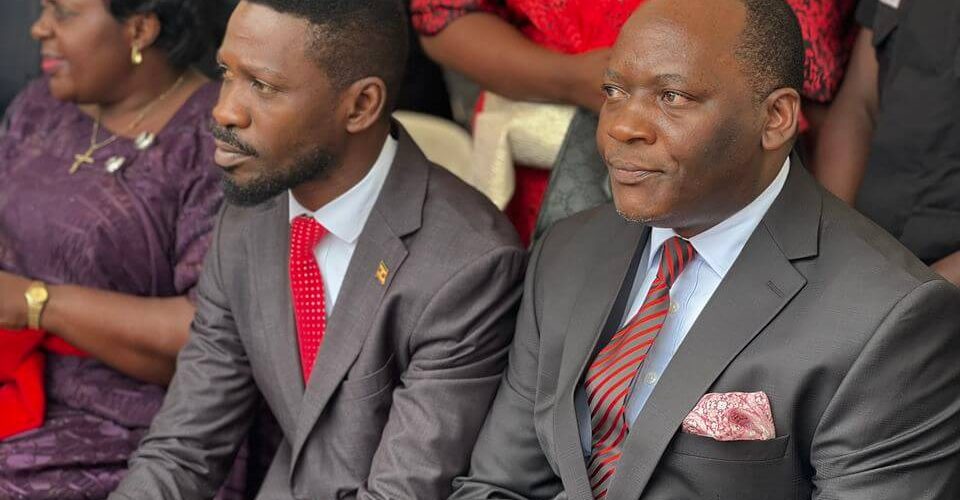
Bobi Wine and the National Unity Platform opposition party have vehemently dismissed the outcome as fake and illegitimate, citing ballot stuffing, inconsistencies in declaration forms, restricted access to key stages of the vote count, and widespread procedural breaches that undermined the integrity of the process. Many of the figures announced by the EC, especially belonging to the ruling National Resistance Movement party, bear no resemblance to the actual votes cast at polling stations.
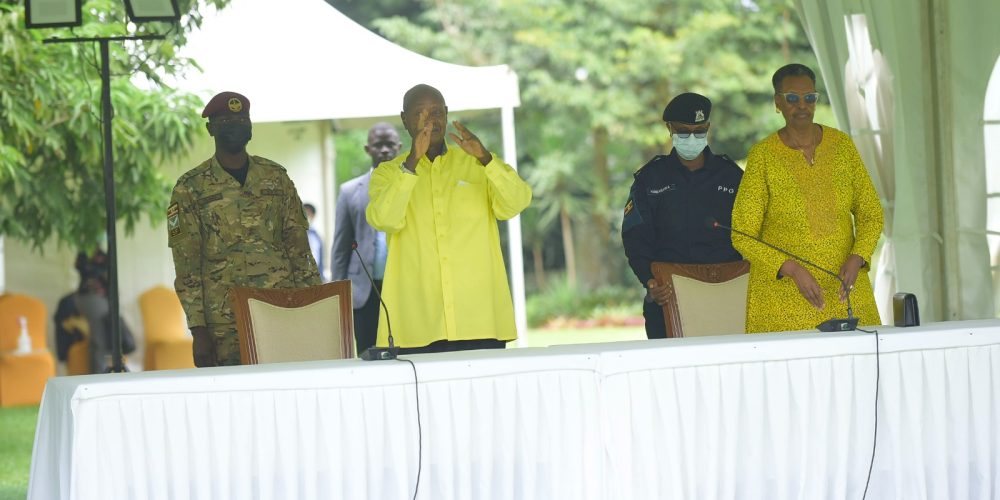
General Museveni and his NRM party celebrate triumph, but the world’s attention is riveted on turmoil. What is billed as a democratic exercise has left deep doubts among citizens, observers, and the opposition as the process unfolded amid internet shutdowns, violent crackdowns, and credible systemic manipulation.
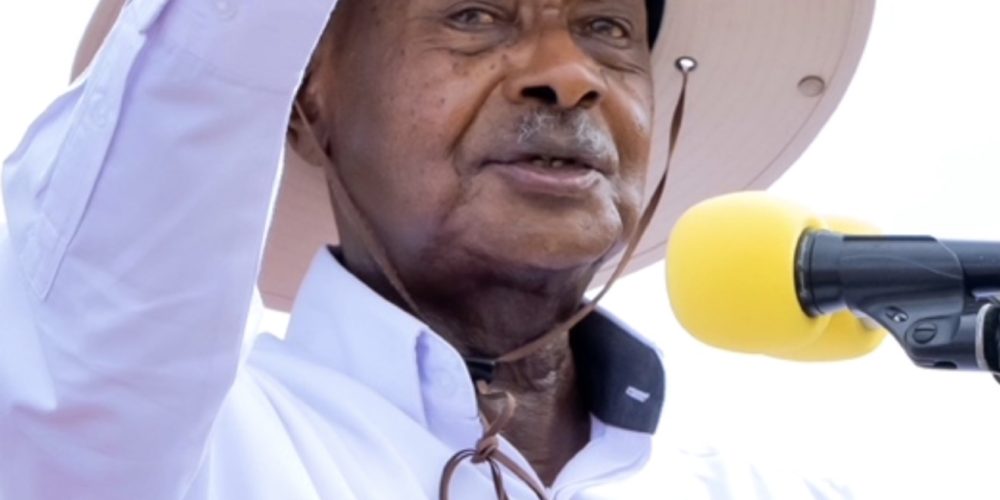
At 81, Museveni now heads into a seventh term, a stretch of power that brings his rule close to five decades. But this time, with a youthful and vocal opposition led by Bobi Wine, the election has been cast not as the people’s voice but as a managed script that entrenches one man’s grip on power.
One of the most striking features of the 2026 election was the internet shutdown imposed by the Uganda Communications Commission a day before polling began. Authorities framed it as a necessary measure to prevent the spread of misinformation and maintain order, which is a scapegoat and a standard official rhetoric in a dictatorship. But in practice, it effectively blinded the electorate, civil society, journalists, and observers at precisely the moment when transparency should have been at its highest. With communication choked off, reports of irregularities, delays, and coercion couldn’t be shared in real time, weakening accountability at the most critical hours of the vote.
The suspension of digital services coincided with serious operational failures at the polls. Biometric voter verification kits, touted as a safeguard against fraud, malfunctioned widely, forcing electoral officials to revert to manual registers. This deviation not only contravened the spirit of the law but also opened the door to manipulation, as checks and balances designed to ensure the integrity of the vote disappeared.
In several areas, voting began hours late, with long queues and confusion spreading as citizens waited for dysfunctional machines or struggled to find polling stations. The chaos, combined with a communications blackout, meant that reports of intimidation and irregularities could not be independently verified or widely shared until after the fact, precisely when the window for transparent oversight closed.
Another core reason Uganda’s elections ring hollow is the systematic intimidation, harassment, and silencing of opposition voices, alongside the deliberate shrinking of political space during campaigns.
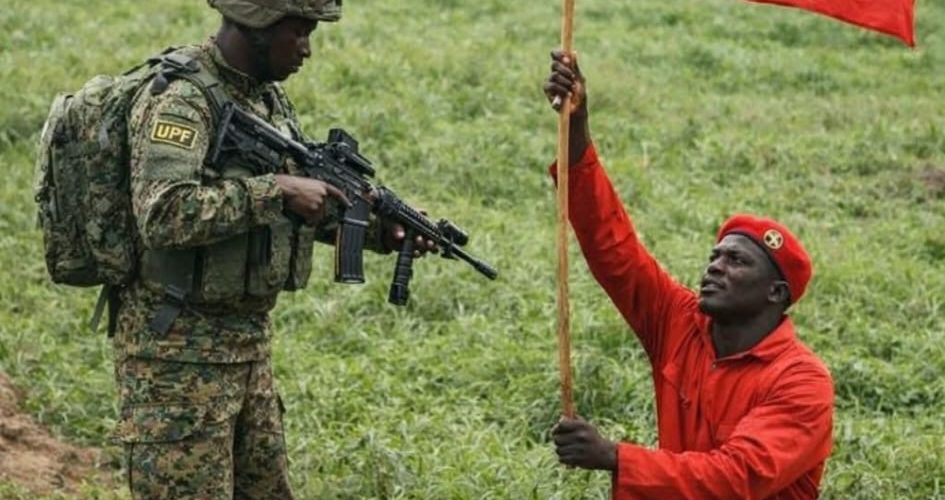
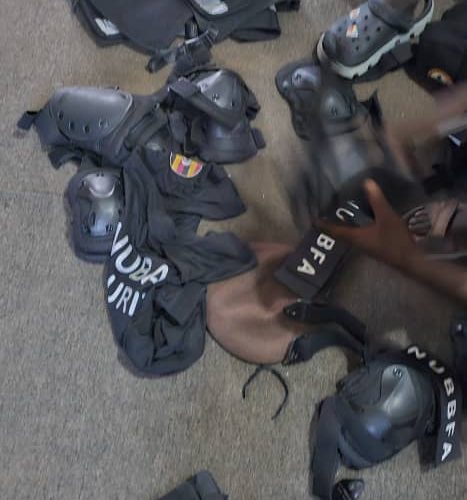
Even before ballots were cast, the playing field for Uganda’s opposition was violently tilted. The months leading up to the election were marked by arbitrary arrests, prolonged detentions of opposition figures, the violent disruption of rallies, and sweeping restrictions on where and how candidates could campaign. Bobi Wine and his supporters were repeatedly met with tear gas, beatings, and heavy-handed interventions by security forces, blatant violations of both electoral law and basic democratic norms.
These abuses were not hidden; they unfolded in plain sight, documented in real time and widely broadcast on mainstream media. Yet the Electoral Commission remained conspicuously silent, abdicating its constitutional duty to oversee a free and fair process. Its refusal to act even as state forces brutalized a leading opposition candidate reinforces the growing perception that it functions not as an independent body, but as a rubber stamp for Museveni’s continued grip on power. In this light, the Commission appears less an electoral authority than a political instrument, tasked with manufacturing legitimacy for an increasingly authoritarian regime.
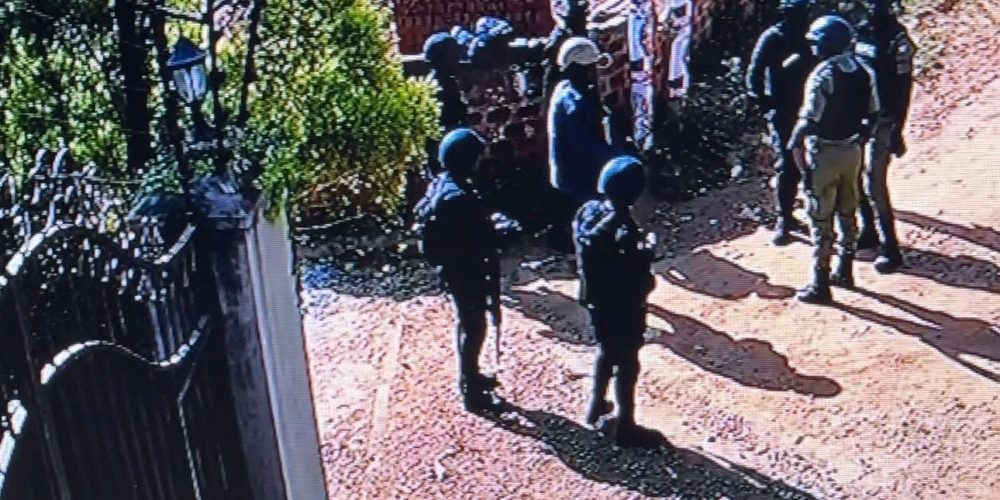
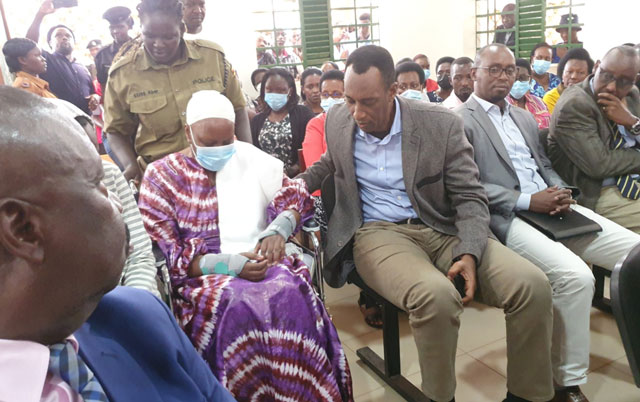
In the course of post-election protests, demonstrators aligned with the opposition staged demonstrations, including outside diplomatic missions, underscoring domestic frustration and the desire for international attention to the controversy. Wine was driven into hiding after soldiers, acting on the explicit orders of Army Commander General Muhoozi Kainerugaba, General Museveni’s own son, stormed his home to harm him and his family. The image of an opposition leader forced to hide from his own government’s security forces condenses the ridiculous state of political repression in Uganda.
The government publicly denied that security operatives were pursuing Wine, but Muhoozi himself took to X to boast that they were indeed searching for him, vowing that Wine would be killed as the “23rd person,” a chilling reference to the 22 National Unity Platform supporters the army has already slaughtered. Such statements from a senior military commander amount to an open threat of extrajudicial violence, reinforcing the perception that the regime will stop at nothing to crush dissent and cement its grip on power.
To this day, the electoral commission has remained silent. Government officials and regime apologists have defended the election as credible, with state officials maintaining that any disruptions were orchestrated by the opposition but did not compromise the overall validity of the mandate given by voters.
The disputed election has cast a spotlight on the state of democratic governance in Uganda, a nation that has never experienced a peaceful transfer of presidential power since independence in 1962. The deepening political crisis raises questions about institutional integrity, the role of security forces in public life, and the prospects for credible future elections.
If elections are the cornerstone of democratic legitimacy, a vote conducted under blackout, intimidation, faulty systems, and contested results falls short of that standard.
The 2026 Ugandan presidential election was scheduled, tallied, and announced, but it failed to convince the electorate and the global community that it truly reflected the will of the people.
In a nation where hope for generational change collided with entrenched power, what should have been a democratic celebration instead became an indictment of how far democratic institutions can be hollowed out while still wearing the façade of process. The question is not just who won the election, but what the cost of that victory will be for Uganda’s future.
The writer is an advocate for democracy and justice through the arts, media and other platforms
Email: richardlk63@gmail.com
Tel: +447351353725