

NRM party veterans riding on intrigue to try and bounce back; outlook increasingly bleak
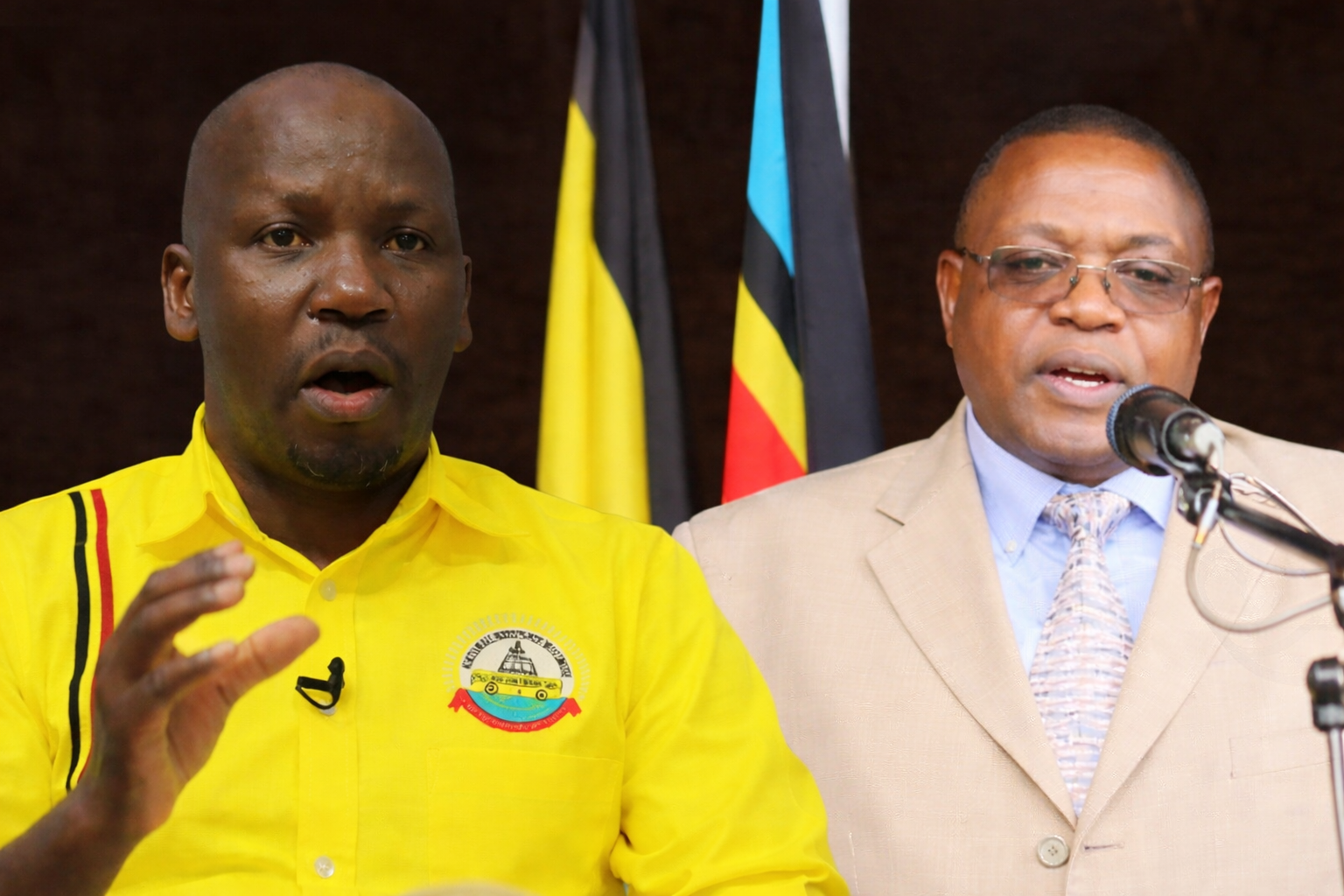
KAMPALA: Internal tensions within Uganda’s ruling National Resistance Movement (NRM) continue to simmer as sections of party veterans openly and privately criticize Secretary General Richard Todwong, despite what insiders describe as one of the party’s strongest organizational performances in recent history.
At the center of the discontent are senior figures including Godfrey Kiwanda and Arimpa Kijagyi, both of whom have reportedly expressed dissatisfaction with the Secretariat’s direction under Todwong’s leadership.
As Secretary General, Todwong oversaw coordination of party primaries, candidate harmonization, logistics deployment and national mobilization strategies. Internal party sources say the Secretariat operated with heightened efficiency, improving communication between the national headquarters and district structures.
Analysts sympathetic to the party argue that dispute resolution during primaries was faster, message discipline tighter and regional coordination more structured compared to previous cycles. Several insiders describe the performance as the most organized in decades, crediting Todwong’s insistence on structure, accountability and procedural discipline.
Supporters further point to Todwong’s earlier record as Deputy Secretary General and minister, noting that a number of by-elections during that period were secured for the NRM under his supervision. “His records are very clear,” one senior mobilizer said, adding that performance benchmarks in several regions surpassed previous averages and, in some areas, broke long-standing ceilings.
However, strong performance has not insulated the Secretary General from criticism. Party insiders suggest that the consolidation of decision-making processes and enforcement of stricter procedural adherence altered long-standing internal power dynamics.
“Institutional reform always generates resistance,” said one political analyst in Kampala. “When systems become more structured, those who previously wielded informal influence can feel displaced.”
Internal sources allege that Kijagyi’s earlier exit from active roles followed concerns about inefficiency and ill health, though critics reject that characterization. Other party officials accuse both Kijagyi and Kiwanda of fueling intrigue within party structures as part of what they describe as attempts to regain political relevance.
Some NRM mobilizers go further, alleging that tribal undertones have shaped resistance to Todwong’s leadership. According to these sources, certain critics have privately questioned his suitability based on his northern Uganda background, claiming he does not speak Luganda or Runyankole fluently. Independent analysts caution that such claims, while difficult to verify publicly, reflect the sensitivities that often accompany leadership contests in broad-based political movements.
Hailing from Nwoya in northern Uganda, Todwong is widely regarded by supporters as a symbol of NRM consolidation in the region. Analysts note that many current Members of Parliament and local leaders from the North were mobilized during his tenure in senior party roles.
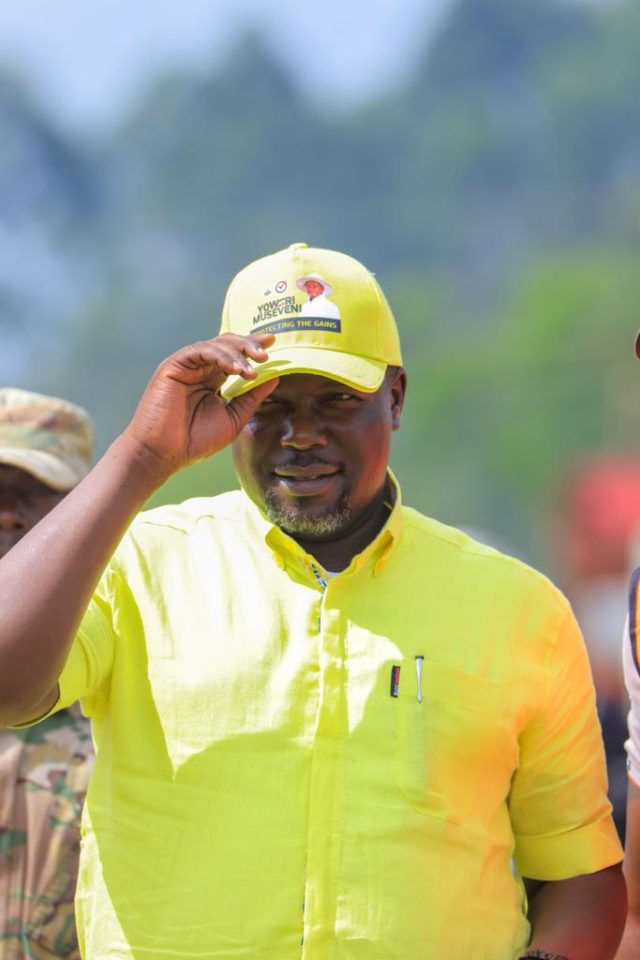
One academic observer described Todwong as deeply grounded in the party’s philosophy and ideology, comparing his doctrinal command to that of senior historical cadres.
“He is calm and understated, which some mistake for weakness,” the analyst said. “But administratively, he is assertive in method, and that has brought order to what is typically a difficult Secretariat to manage.”
Critics of Kiwanda within the party claim that during his tenure as NRM Vice Chairperson for Buganda, the party did not register significant electoral breakthroughs in the region. Some party officials argue that performance in Buganda stagnated or declined during that period, and that he failed to deliver measurable successes for the party structure he supervised.
Further controversy surrounds allegations by some NRM insiders that Kiwanda allowed his residence to become an informal meeting point for figures associated with the opposition **National Unity Platform (NUP)**. Those claims remain politically contested, but critics within the NRM cite them as evidence of what they describe as “double-dealing” and weakened regional stewardship.
Some internal voices also allege that Kiwanda has struggled politically within his own constituency, though these claims remain disputed by his allies. Other sources suggest that part of the current friction may be linked to succession ambitions within the Secretariat.
“Some of the noise is from individuals positioning themselves for the job,” said one senior party official. “Blackmailing performance records is an old political tactic.”
As the NRM consolidates its electoral gains, internal debates about leadership style, inclusivity and centralization are likely to persist. For Todwong, the task ahead will be balancing reform-driven efficiency with broader consultation within party ranks.
For now, many within the party argue that measurable outcomes — from by-election victories to strengthened northern structures — form the backbone of his defense. Within the NRM, achievement appears to have redrawn internal lines, leaving some veterans struggling to recalibrate in what insiders describe as an increasingly unforgiving political landscape.