


A year later, the cargo planes are yet to arrive in Uganda
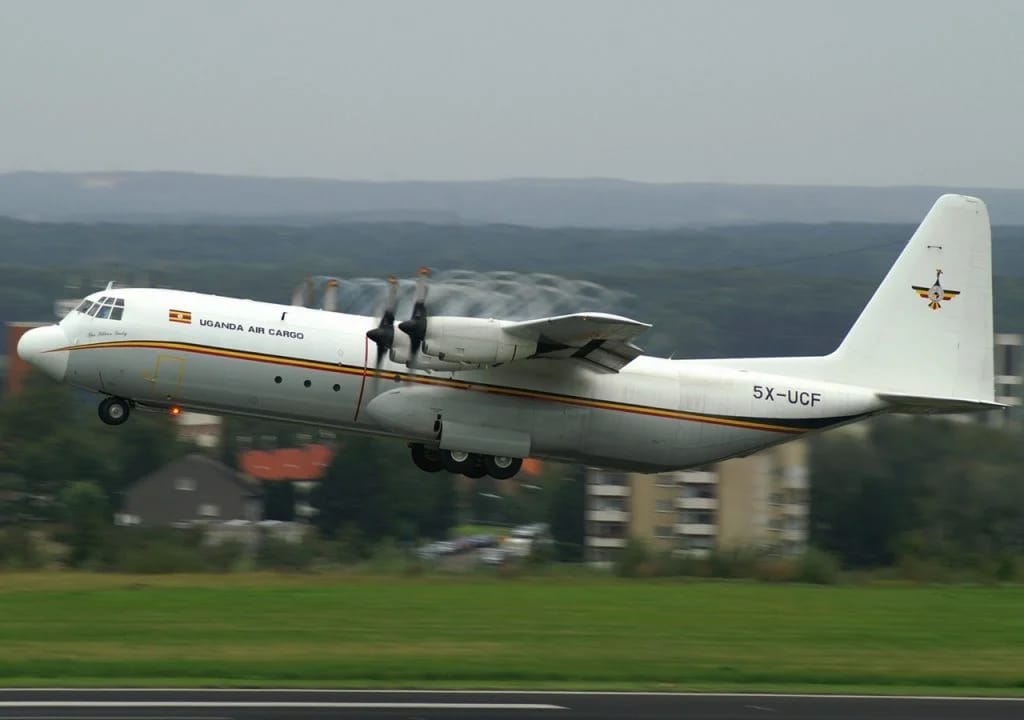
A year+ after a Dubai prince and his company promised to deliver seven cargo aircraft to boost Uganda’s agricultural exports, the planes have yet to arrive, leaving exporters and industry players questioning the fate of a project that was expected to transform the country’s air cargo business.
In June last year, Sheikh Mohammed Bin Maktoum Bin Jumah Al Maktoum, a member of the United Arab Emirates royal family, announced plans to provide Uganda with seven cargo planes through his Dubai-based firm, Alpha MBM Investments LLC.
The prince said the aircraft would help transport Uganda’s fresh produce, fish and flowers to international markets and reduce the country’s dependence on foreign airlines for cargo services. He also pledged to establish modern cold storage facilities at Entebbe to support exports.
At the time, the announcement generated excitement among exporters, who have long complained about high freight costs, limited cargo space and unreliable schedules on foreign carriers.
Officials said one Boeing 737 freighter had already been brought to Uganda and that the remaining six aircraft would be delivered within weeks.
However, one year later, the promised fleet has not materialised and Uganda Air Cargo Company has no explanation to give.
The delay has left many wondering whether the ambitious plan to position Uganda as a regional cargo hub is still on course.
The absence of the cargo planes also comes at a time when government is pursuing a separate strategy to strengthen the country’s aviation sector through Uganda Airlines.
Earlier this month, Uganda Airlines signed a Shs3.7 trillion agreement with American aircraft manufacturer Boeing to acquire 10 new aircraft, including two dedicated cargo freighters—a Boeing 767 converted freighter and a Boeing 737 converted freighter.
The airline’s cargo expansion programme is intended to support Uganda’s export sector by providing direct and affordable freight services to regional and international markets.
However, the cargo aircraft ordered under the Uganda Airlines deal are also not expected to arrive immediately because of long manufacturing queues and global supply chain disruptions affecting aircraft deliveries.
For exporters, the delays mean continued reliance on foreign airlines such as Ethiopian Airlines, Emirates and Qatar Airways to transport perishable goods to overseas markets.
Industry players have repeatedly argued that dedicated cargo planes would lower transportation costs, increase export volumes and reduce post-harvest losses by ensuring timely delivery of produce.
Uganda’s ambitions to become a regional logistics and export hub have been a recurring theme in government policy discussions. President Museveni has on several occasions emphasised the importance of controlling the country’s logistics chain, particularly for agricultural exports.
But the unfulfilled pledge by the Dubai prince has also revived memories of previous aviation projects that were announced with optimism but failed to deliver as expected.
Uganda once had a thriving cargo aviation sector led by local operators such as DAS Air Cargo, but years of operational and financial challenges saw the country lose its prominence in regional air freight services.
Today, despite the promises, the country’s exporters are still waiting for the dedicated cargo planes that were expected to open new markets and lower the cost of doing business.
A year later, the cargo aircraft that were supposed to herald a new era for Uganda’s export trade remain grounded in promise rather than reality.