

One Ballot Beats 120 Bullets

By James Kabengwa
If you’ve ever wondered what it looks like when a political “guest” overstays their welcome by forty years, welcome to Uganda—the land where President Yoweri K Museveni has been a permanent fixture and the Constitution is more of a light sketch than a blueprint.
The stage is on Thursday set for a clash between a military soundtrack that won’t stop skipping and a high-energy ghetto remix that’s threatening to blow the speakers.
Uganda’s political landscape currently resembles a vintage vinyl record that has been playing the same scratchy tune since 1986.
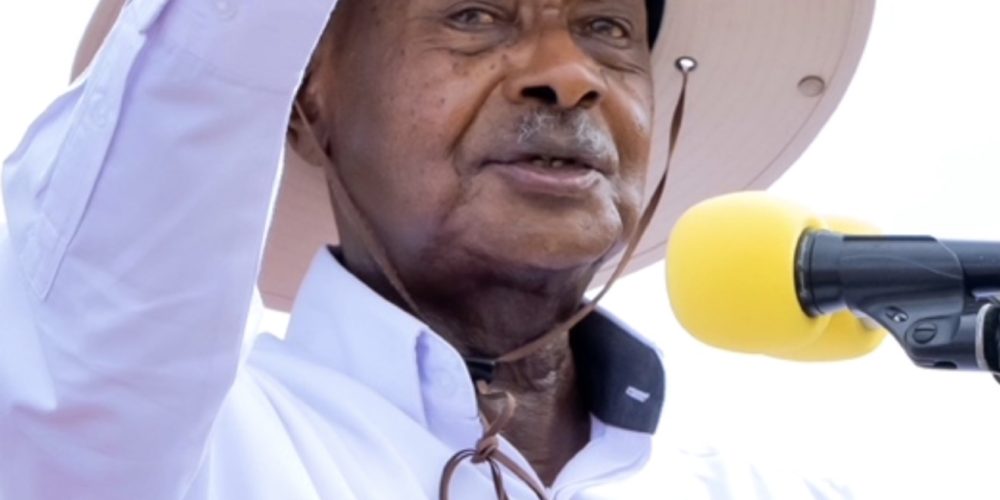
The DJ, President Yoweri Museveni, has occupied the booth for four decades, convinced that the country cannot continue without his specific brand of “revolutionary” playlist.
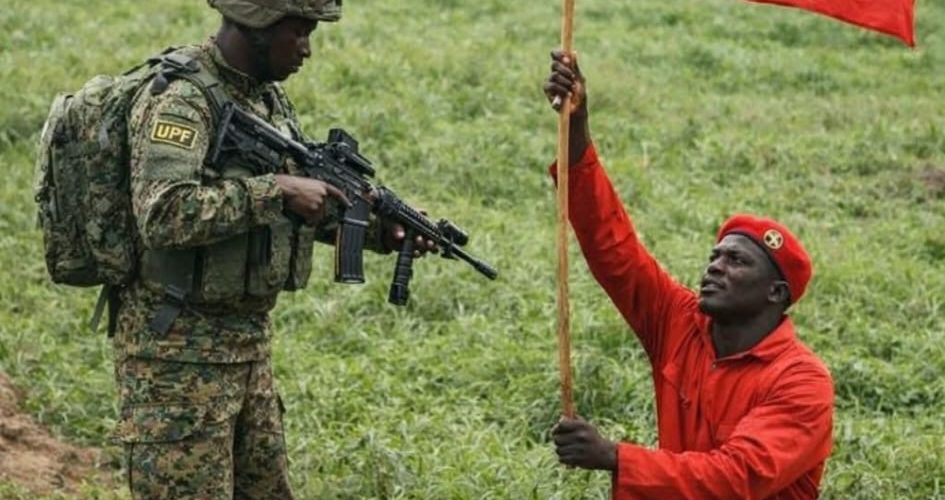
Enter Robert Kyagulanyi, better known as Bobi Wine, the “Ghetto President” who trades in the microphone instead of Museveni’s AK-47 and a red beret, suggesting—quite radically—that the country deserves a new track.
For decades, Uganda’s governance system has been a masterclass in staying power. It’s a delicate ecosystem where the Constitution is treated more like a suggestion box than a legal framework.
When the age limit became a pesky hurdle for the incumbent, it was simply airbrushed out of existence.
This is the Dear Governance model: a system so cherished by its beneficiaries that they refuse to let any pesky thing like a term limit or a fair election get in the way of a lifelong lease on State House.
Bobi’s appeal isn’t just in his catchy hooks; it’s in the audacity of being under 70 in a country where the median age is roughly 16, yet the leadership seems to remember the invention of fire.
To the youth, Bobi Wine represents the possibility of a leader who understands that the cloud isn’t just something that brings rain to the cattle corridor.
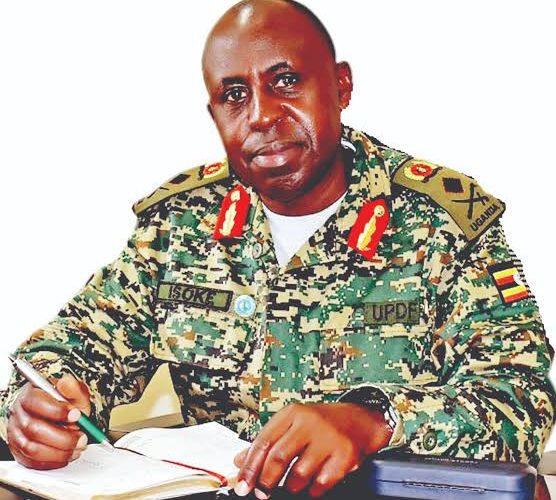
Militarism is less of a policy and more of a lifestyle brand. Why have a civilian police force when you can have a security apparatus that treats every political rally like a battlefield?
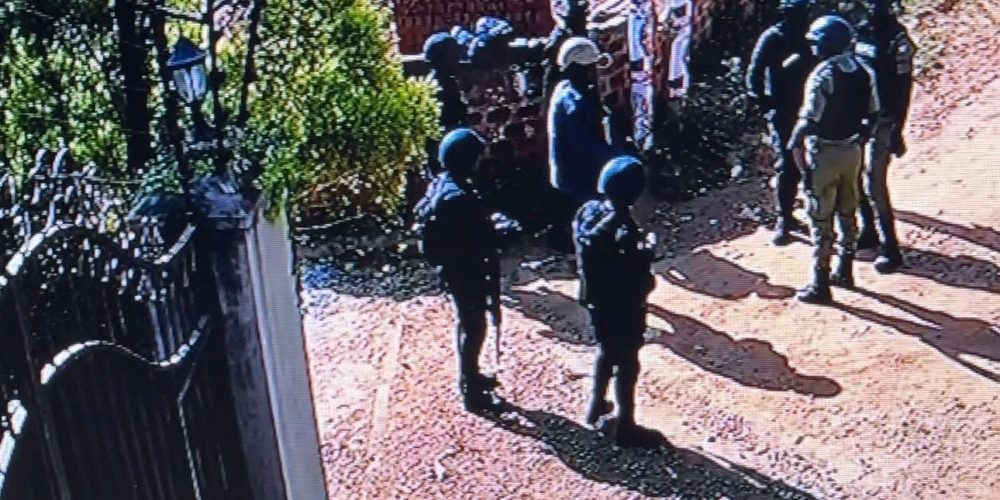
Museveni’s administration has perfected the art of the precautionary arrest, a charming tradition where opposition figures are invited to spend quality time in safe houses or police vans whenever they get too popular.
The human rights record reads like a dark comedy script. With dozens recorded killed by security forces, to the ongoing tales of drones— that whisk citizens away for unauthorized vacation, the message is clear: dissent is a luxury the state cannot afford.
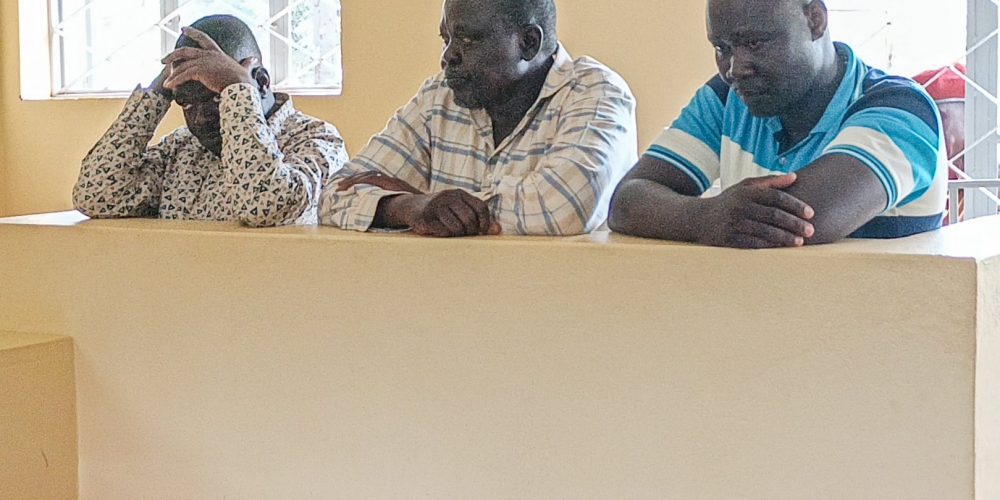
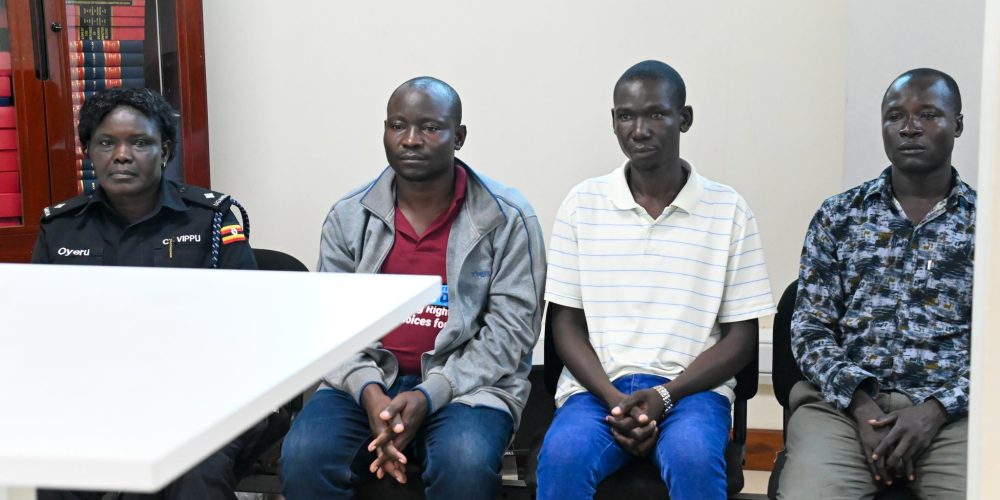
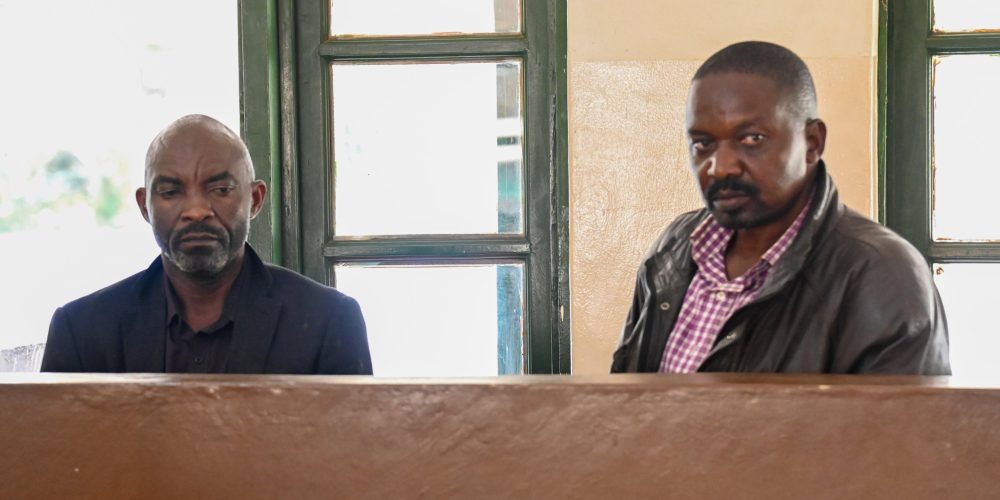
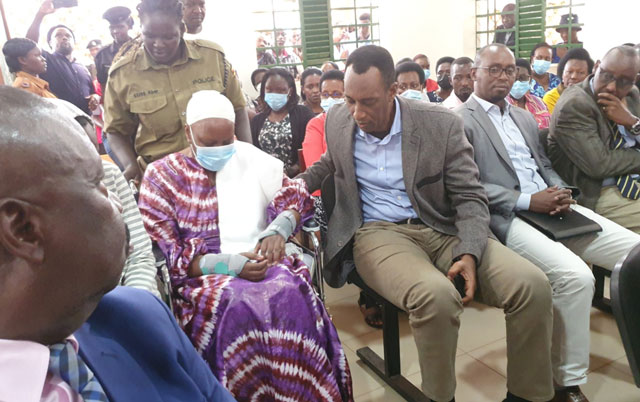
The case of Dr. Kizza Besigye, the perennial protagonist of the opposition who has been arrested more times than a professional stuntman rings. Besigye found himself abducted from Nairobi in November 2024 only to reappear in a Kampala military court, charged with possession of firearms—a classic legal remix for a civilian.
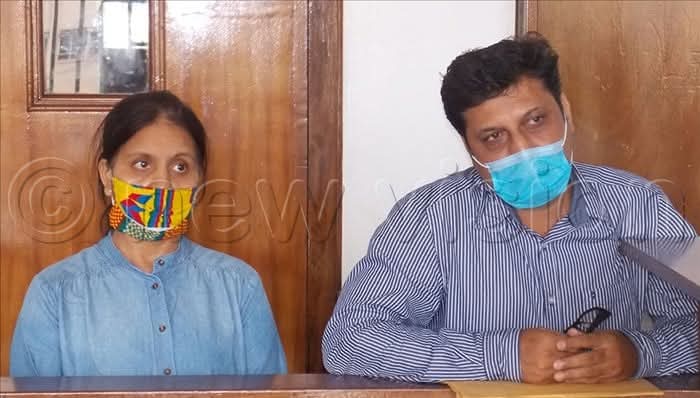
He is joined in the Hall of Famous Detainees by Dr. Sarah Bireete, whose recent arrest just days before the 2026 polls proves that even governance experts aren’t safe from the state’s sudden bouts of “legal curiosity.”
Even environmentalists like Dorothy Asio and the StopEACOP youth activists have been invited to reflect on their love for the planet from behind bars.
There is the small matter of the 9 trillion shillings ($2.4 billion) lost annually to corruption. Public funds don’t just disappear; they perform a sophisticated vanishing act only later to see a policeman helping to bank billions.
Whether it’s money for oxygen during Covid-19 or funds for social services, the system ensures that the cake is eaten before it even leaves the oven.
Bobi Wine’s Natinal Unity platform—11-point manifesto—calls for a New Uganda where accountability isn’t just a word used in donor reports.
His supporters argue that a man who built a career in the ghetto is less likely to see the national treasury as a personal ATM. The choice for Uganda isn’t just between two men; it’s between a geriatric monologue and a youthful dialogue.
While the state warns that one soldier carries 120 bullets, the population is increasingly realizing that one ballot carries the weight of their future.
Electing Kyagulanyi wouldn’t just be a change in leadership; it would be an admission that Uganda is ready to join the 21st century—a century where leaders retire, the police don’t use “nuisance” laws to silence journalism, and the only drones in the sky are the ones taking photos of a country finally breathing on its own.