

Exiled Uganda Opposition Cries For Justice
BY RICHARD LUGOBWA KIZZA
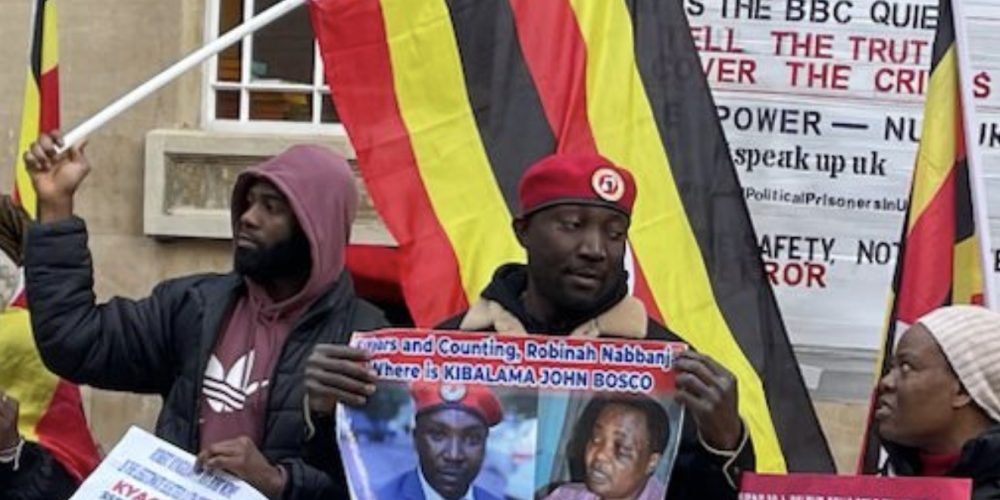
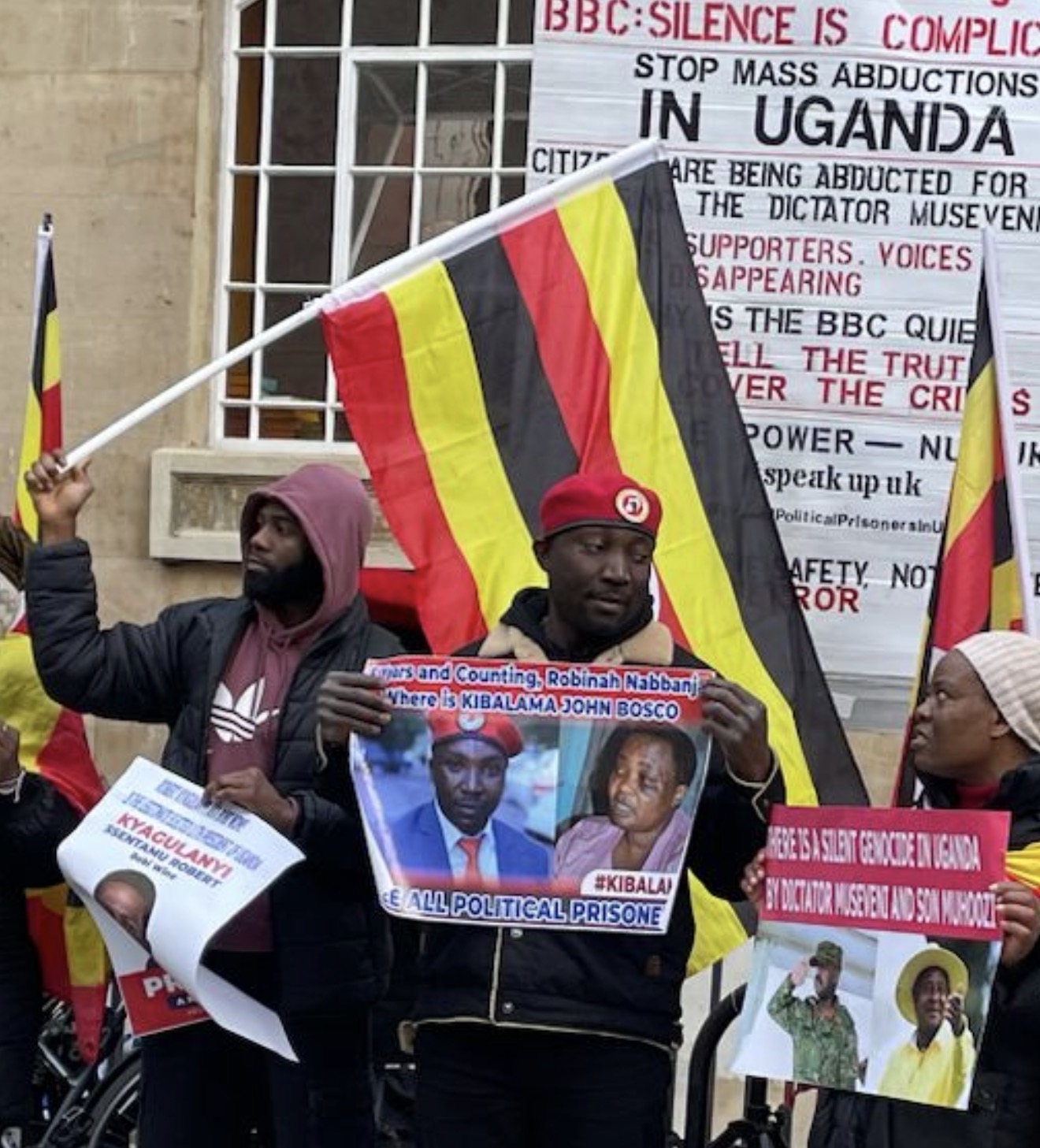
LONDON. Ugandan opposition members exiled in the United Kingdom held a protest outside the BBC’s London headquarters on Friday, calling for a significant increase in international media attention toward the deteriorating political situation in Uganda.
The gathering, organized by members of the Ugandan diaspora (National Unity Platform, UK Chapter) and human rights advocates, urged global broadcasters to provide more consistent, in-depth coverage of the East African nation’s recent electoral cycle, arguing that the plight of Ugandans often remains under-reported on the world stage.
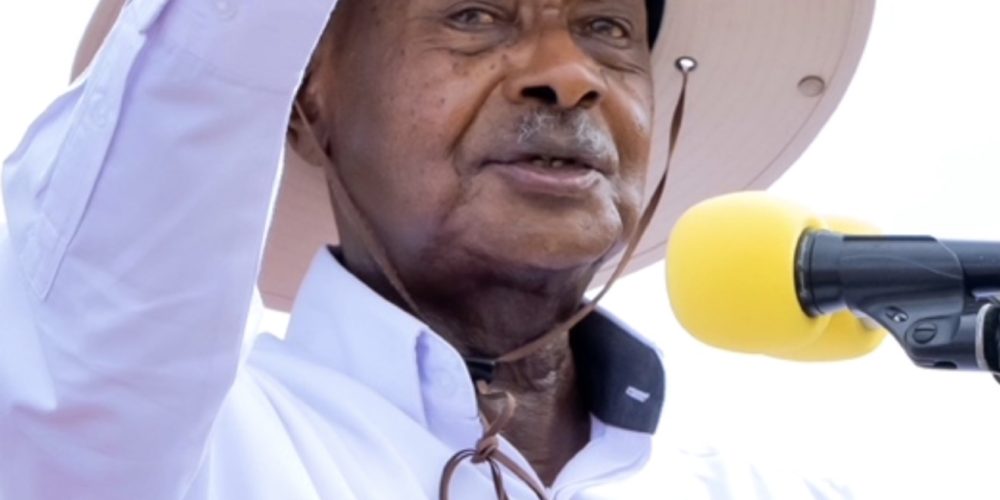
Uganda’s political landscape has been dominated by President Yoweri Museveni since he first took power in 1986 following a five-year guerrilla war.
Now 81, Museveni was recently declared the winner of the January 2026 elections with approximately 71% of the vote, extending his four-decade tenure into a seventh term.
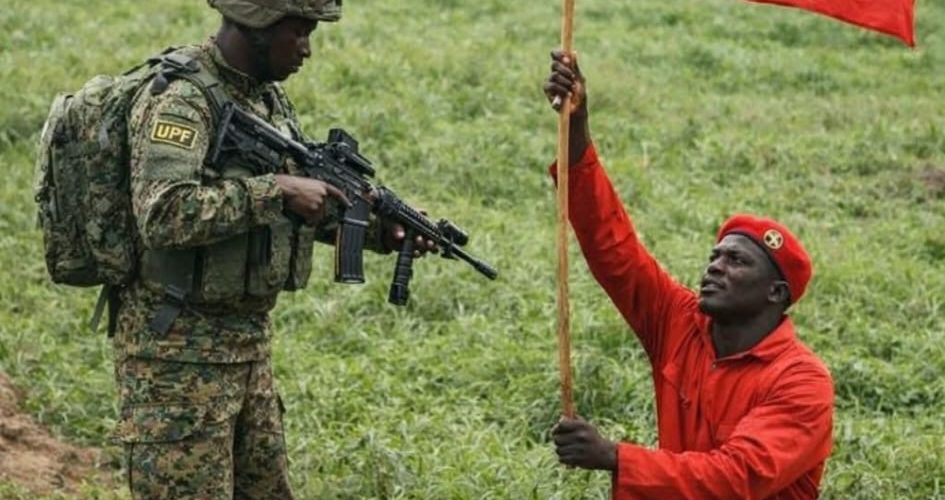
However, the victory has been shadowed by widespread allegations of fraud, ballot stuffing, and an atmosphere of heavy militarization
Musevei’s man challenger and opposition leader, Robert Kyagulanyi Ssentamu, popularly known as Bobi Wine, has rejected the results, describing the election as a “sham.”
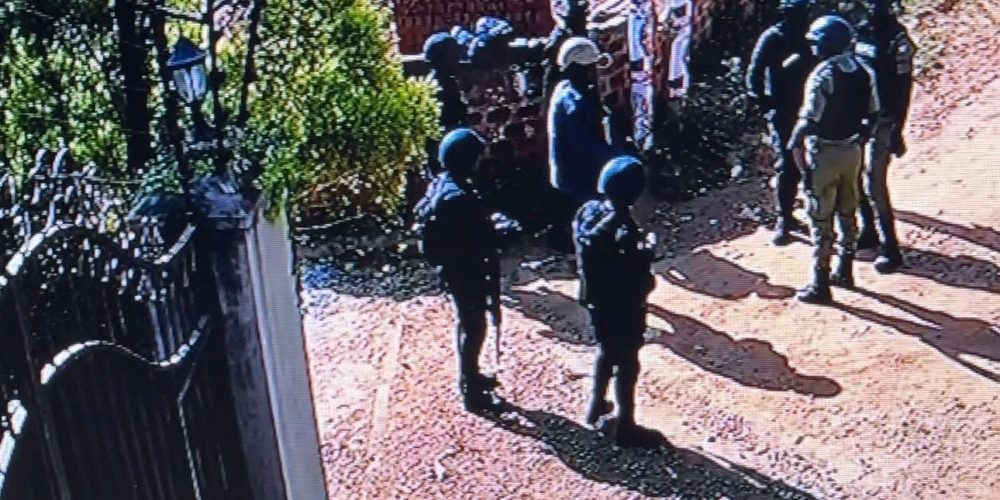
Since the January 15 polls, Wine has been in a precarious position; after his party reported an army raid on his compound, he announced he had escaped and remains in hiding.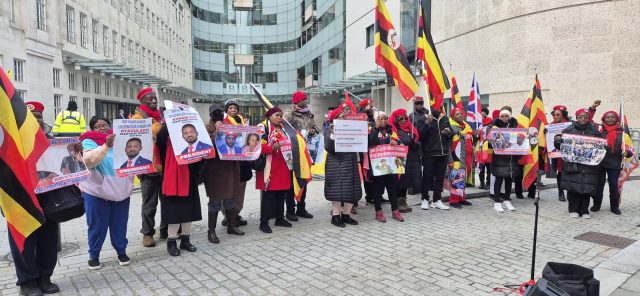
His wife Barbie Kyagulanyi and several family members were reportedly placed under effective house arrest for days, while three of Wine’s Vice Presidents and other senior party officials have vanished into state custody.
The human cost of the election cycle continues to rise. Reports indicate that at least 10 people were massacred at the home of Wine’s vice president, Muwanga Kivumbi, during election-day violence, though some opposition figures estimate the toll is significantly higher, combined around the country.
Human rights organizations have documented hundreds of arrests, and estimates from the UN Human Rights Office (OHCHR) suggest over 550 supporters of the National Unity Platform (NUP) have been detained since the campaign began, with many held in “safe houses” without formal charges.
Further fueling tensions, the President’s son and Chief of Defense Forces, Muhoozi Kainerugaba, has made polarizing statements on social media. He said on X that the army heads had killed 30 people and arrested 2000 opposition supporters.
Following the election, Muhoozi described opposition figures as “terrorists” and suggested that the military would continue to use force against those challenging the state’s authority.
His rising profile has led many analysts to believe a dynastic succession is being prepared, despite widespread domestic calls for a peaceful transition to a new generation of leadership.
The international community has begun to voice sharp concerns. Human Rights Watch recently condemned the “longstanding pattern of abuse,” noting that two senior NUP leaders have been forcibly disappeared.
In Friday’s protest in London, demonstrators voiced out calls for more realistic action against Museveni and his repressive regime.
Amnesty International has described a “brutal campaign of repression,” citing documented cases of torture and the use of chemical irritants against peaceful crowds.
From a diplomatic perspective, the U.S. Senate Foreign Relations Committee has called for a reassessment of security relationships, questioning the legitimacy of an election they described as a “hollow exercise.”
The protestors in London emphasized that without the “whistleblowing” role of the international press, the global community cannot fully grasp the gravity of the situation.
As Uganda faces an uncertain future, the call for the world to “look closer” has never been more urgent.
The writer is an advocate for democracy and justice through the arts, media, and other platforms
Email: richardlk63@gmail.com
Tel: +447351353725