

How the SGS vehicle inspection deal turned Ronald Amanyire into a controversial figure
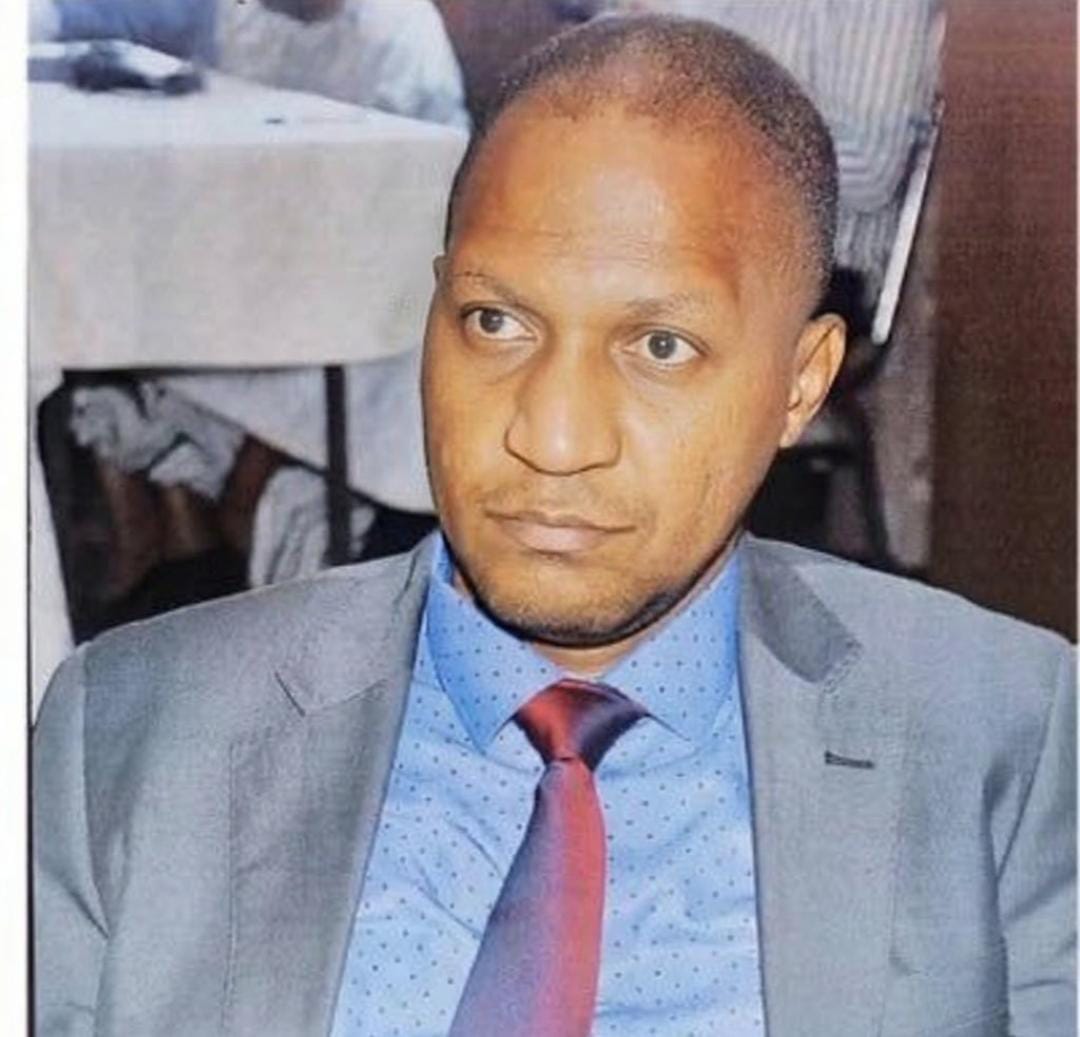
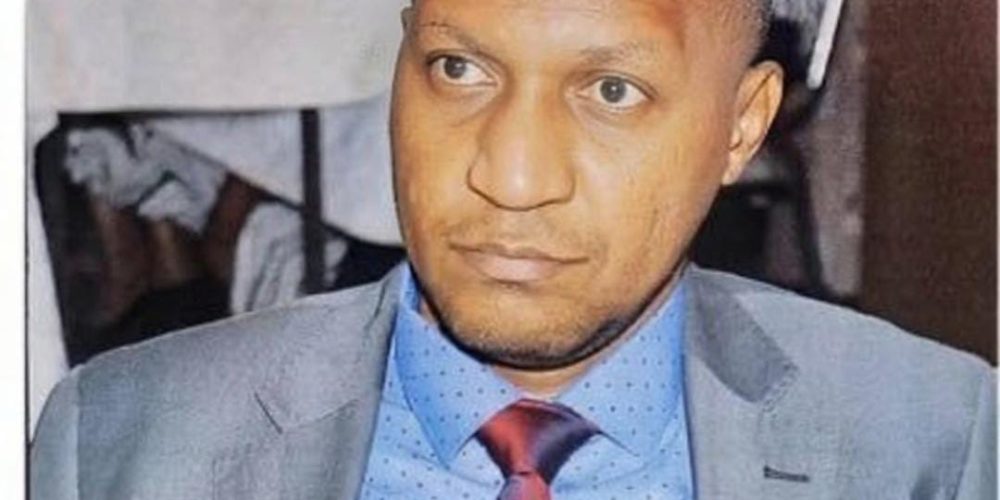
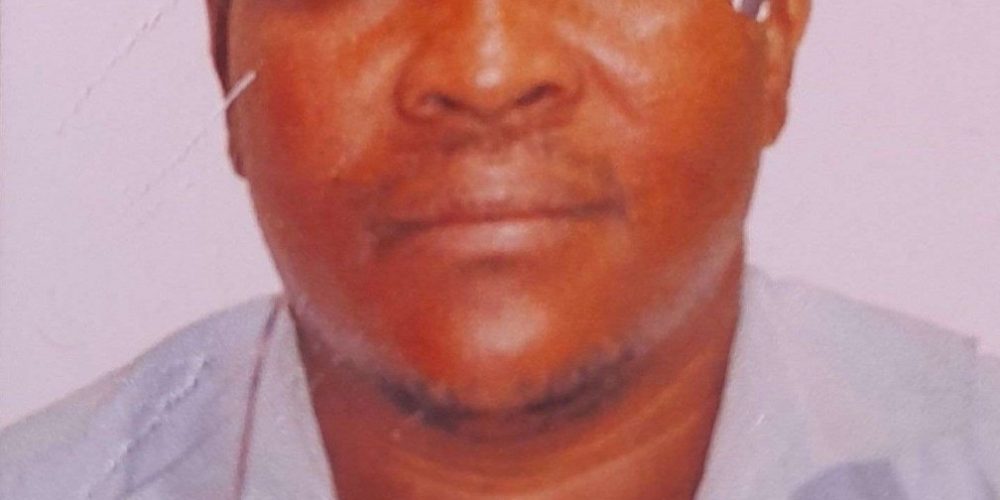
Ronald Amanyire, the suspended Principal Road Safety Officer in the Ministry of Works and Transport, was for years one of the ministry’s key technical officials responsible for road safety policy and implementation of the mandatory motor vehicle inspection programme.
He also served as Contract Manager for the SGS vehicle inspection project and chaired key negotiations for contracts related to the programme.
His troubles date back to the implementation of the mandatory motor vehicle inspection project awarded to Swiss multinational Société Générale de Surveillance (SGS), a programme intended to improve road safety by ensuring that vehicles on Ugandan roads met minimum safety standards.
His first major controversy arose in November 2016 when he travelled to South Africa to inspect mobile vehicle testing stations. The trip was fully facilitated by Workshop Electronics Limited, a South African supplier linked to SGS, at a time when the government was finalizing the inspection contract.
Investigations by the Inspectorate of Government (IGG) later found that Amanyire undertook the trip without seeking permission from the Permanent Secretary, contrary to the Uganda Public Service Standing Orders. Then Inspector General of Government Justice Irene Mulyagonja recommended that he be subjected to disciplinary proceedings before the Public Service Commission for breaching public service regulations. However, the recommendation was never implemented.
The 2017 Parliamentary Committee on Physical Infrastructure also scrutinized the trip and concluded that SGS had allegedly compromised some officials in the Ministry of Works and Transport through generous offers. The committee questioned why Amanyire, despite not being the ministry’s lead technical officer on the project, was granted an all-expenses-paid trip by an SGS supplier during a sensitive procurement process.
Members of Parliament recommended further investigations into whether the visit violated procurement laws, public service ethics and conflict-of-interest rules, arguing that the trip could have enabled the contractor to tailor equipment specifications before the contract was signed.
Fresh allegations now being investigated by the IGG suggest that Amanyire, together with another ministry official, instructed the Procurement and Disposal Unit to release SGS’s performance security after the company had completed only one inspection station at Kawanda instead of the seven stations required under the contract.
Investigators believe the decision paved the way for the mandatory vehicle inspection programme to commence with only one operational inspection centre, creating long queues, widespread public frustration and eventually forcing Parliament to suspend the programme and institute a lengthy inquiry that ran from 2017 to 2020.
The suspension severely affected the viability of the project.
SGS subsequently terminated the contract, citing loss of business, before the government compensated the company with approximately Shs109 billion for investments made in the project.
Sources familiar with the ongoing investigations believe Amanyire’s handling of the project significantly contributed to the collapse of the inspection scheme, delaying road safety reforms, depriving government of revenue and leaving many unroadworthy vehicles on Ugandan roads.
The latest IGG probe is also examining allegations that Amanyire abused his office, made offensive communications, violated public service standing orders and failed to properly supervise contracts under his responsibility.
Investigators are also seeking explanations over allegations relating to tax compliance by contractors on projects he supervised and decisions he made while serving as Contract Manager and chairperson of key procurement negotiation committees.