

Presidential Assistant Barungi deemed risk to corruption fight
KAMPALA. The ongoing battle against corruption in Uganda demands absolute institutional cohesion. As anti-graft agencies strive to unite against a deeply entrenched vice, success relies heavily on solidarity, rigorous verification, and transparency.
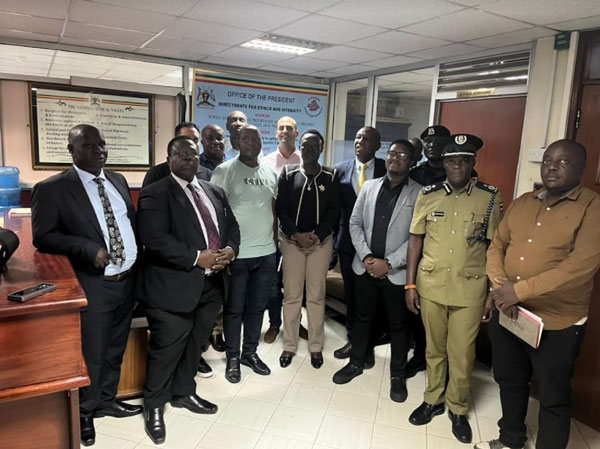
This necessity was underscored at a recent high-profile morning dialogue at Hotel Africana. Gathering institutional chiefs and Inter-Agency Forum delegates to review Uganda’s 2025 Corruption Perceptions Index (CPI) performance, the meeting arrived at a critical juncture for the nation’s governance framework.
In a country where graft has endured for decades, counter-strategies cannot rely on isolated efforts. Instead, they must be multi-dimensional, diverse, and integrated across both state and civic spaces. The scale of the challenge is laid bare by official metrics. Globally, Uganda places 148th and remains among the most corrupt nations within Sub-Saharan Africa, according to Transparency International.
The state maintains a low rating of 25 out of 100, where 0 signifies extreme corruption. Regionally, Uganda consistently ranks as the fourth most corrupt state within the East African Community (EAC), outperforming only South Sudan, Burundi, and the Democratic Republic of Congo.
Institutional Vulnerabilities and Proliferation
Domestically, systemic weaknesses fuel this poor ranking. The Uganda Police Force is widely deemed the most corrupt body, followed closely by the Judiciary, revenue services, and property registration departments. To suppress this widespread malaise, President Museveni has frequently established numerous specialized units. The most active entities operating alongside traditional law enforcement and the judiciary include: The Inspectorate of Government (IGG); The Auditor General, The State House Anti-Corruption Unit (SHACU), The Land Enforcement Police and The State House Land Department
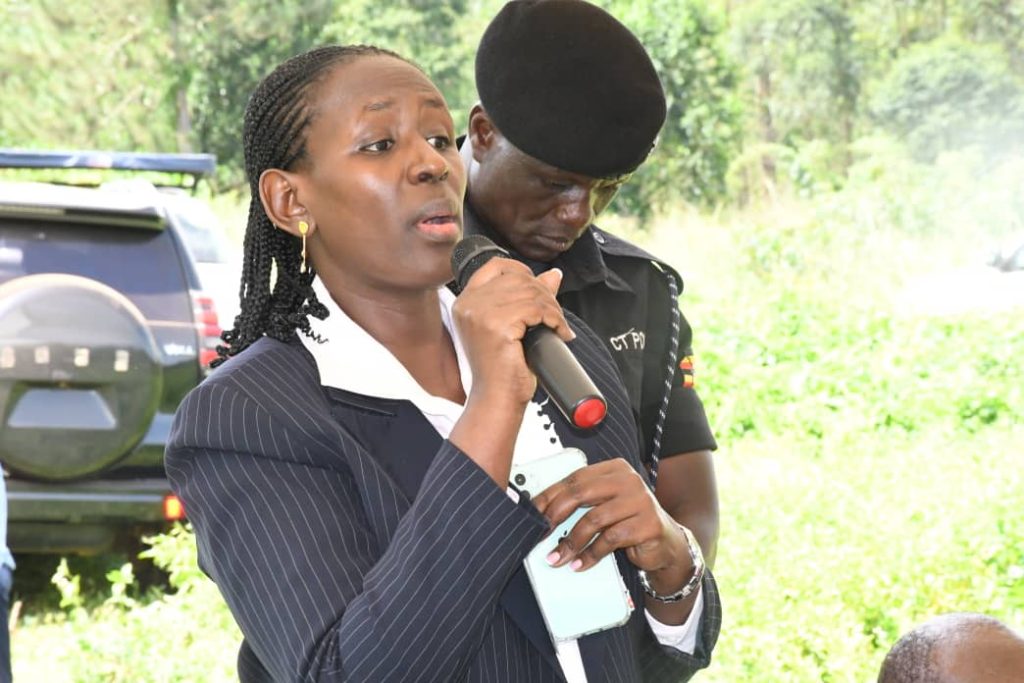
Beyond these bodies, the executive has integrated various presidential consultants on diverse portfolios. Among these political appointments is Ms. Phiona Barungi, who serves as a special presidential aide on general affairs. The underlying purpose of creating these multiple bodies is to compel them to collaborate closely and enduringly to diminish the scale of national corruption.
The Crisis in Land Administration
Because property matters represent some of the most graft-ridden sectors, SHACU was established with a specific mandate to sanitize land transactions. Internal data demonstrates that property corruption spans the entire administrative framework, including registration, conveyance, valuation, compensation, spatial planning, and general management.
According to a senior SHACU official, over fifty percent of complaints submitted to their office involve graft in property affairs. For many citizens, the unit serves as a final resort against predatory networks. Investigative trends highlight four primary forms of dishonesty within the sector: intentional bureaucratic delays used by public servants to compel bribes, the deceptive processing of duplicate land titles, fraudulent property sales involving identity theft, and organized land grabbing syndicates.
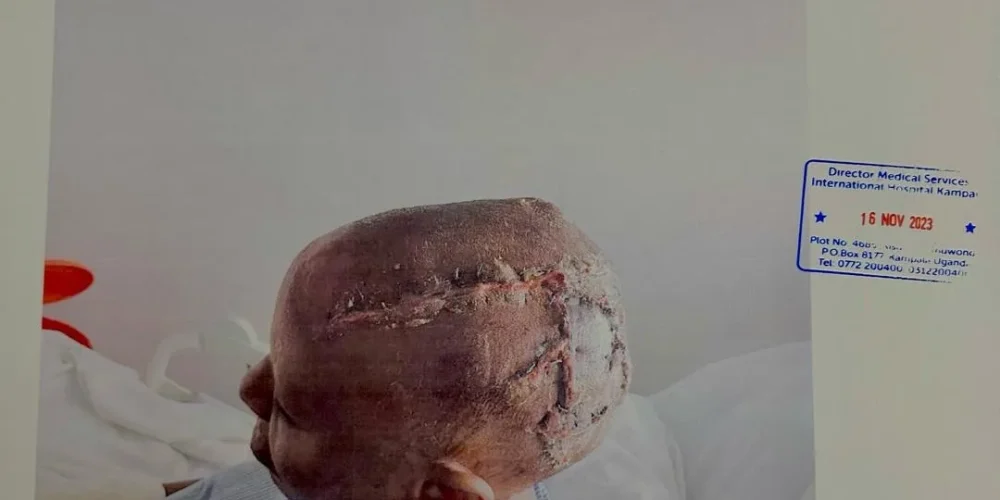
SHACU has aggressively pursued these networks, apprehending multiple notorious property grabbers who previously exploited the legal structure to harass residents across regions like Luwero, Masaka, and Lango. Despite achievements, officials warn that these syndicates frequently attempt to retaliate against investigators.
Friction Over Institutional Mandates
The primary threat to these anti-graft efforts, however, is internal friction. The judicial network is structured such that from the initiation of a complaint, a unit requires total cooperation from law enforcement and the Directorate of Public Prosecutions (DPP) to achieve a successful conviction. SHACU has historically operated through this collaborative model.
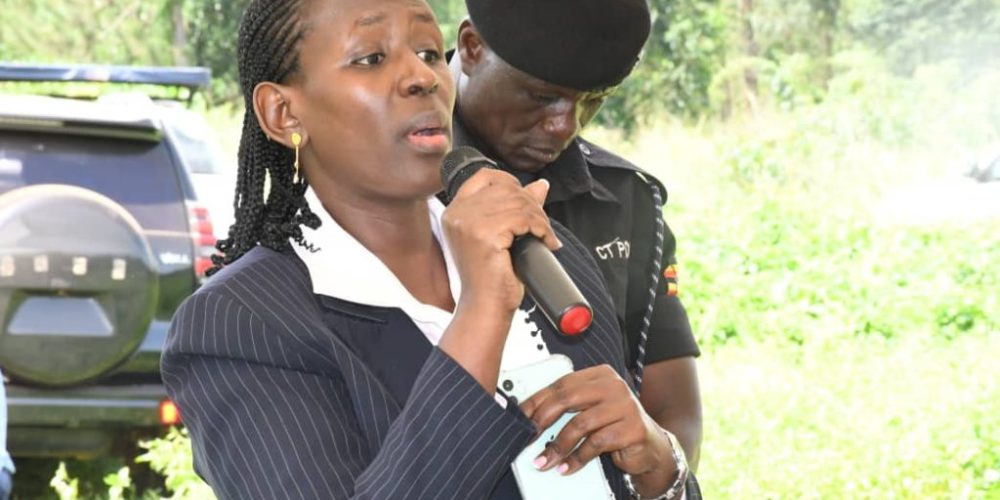
Consequently, recent public friction involving Ms. Barungi has raised concerns. Her viral footage circulating on digital platforms attacking the DPP and SHACU appears counterproductive to institutional unity. Observers note that the DPP and SHACU achieved exceptional milestones long before her tenure.
To prevent corruption from thriving amidst institutional infighting, presidential aides must coordinate productively with sister agencies rather than operating independently or confrontationally. With the Lands Ministry also expressing dissatisfaction regarding her lack of reporting, public authors and citizens must avoid being misled by internal political friction; fighting graft requires absolute partnership.