

Uganda 2026: a fragile democracy
BY JAMES KABENGWA
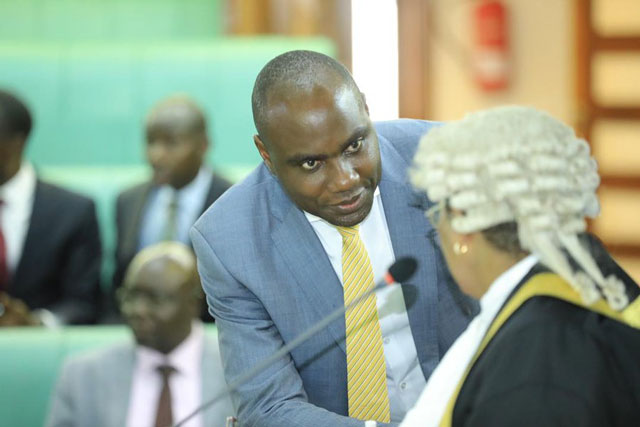
KAMPALA — As Uganda enters the final week before the January 15, 2026, general elections, the political landscape is defined by a high-stakes struggle for institutional integrity.
While candidates crisscross the country, the narrative has shifted from mere policy debates to a critical examination of the systems governing the vote.
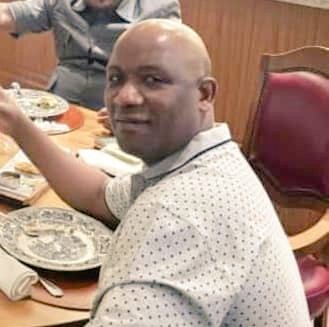
Central to this historical context is Ivan Bwowe, the former Makerere University Guild President whose career has been marked by a relentless—and at times controversial—pursuit of electoral accountability.
Bwowe first rose to national prominence in 2016, fueled by the “pomp and flair” of a youthful generation in Rakai District.
During his nomination to face NRM’s Amos Mandela for the Buyamba County seat, Bwowe championed a “rebrand” of leadership, arguing that the area had long lacked focused and competent representation.
Bwowe’s activism, however, often extended into the courtroom, where his motives were frequently scrutinized.
In a high-profile legal move, he sought the cancellation of the election of all other Nakawa West MPs, a case that was ultimately dismissed by the courts.
While his supporters viewed these actions as a bold defense of electoral law, critics labeled them as strategic maneuvers designed to clear his own path to power.
Today, Bwowe’s legacy serves as a reminder of the complex tension between personal political ambition and the broader fight for a fair democratic process.
This tension is amplified by a 2026 cycle marred by what observers call a “digital and physical clampdown.”
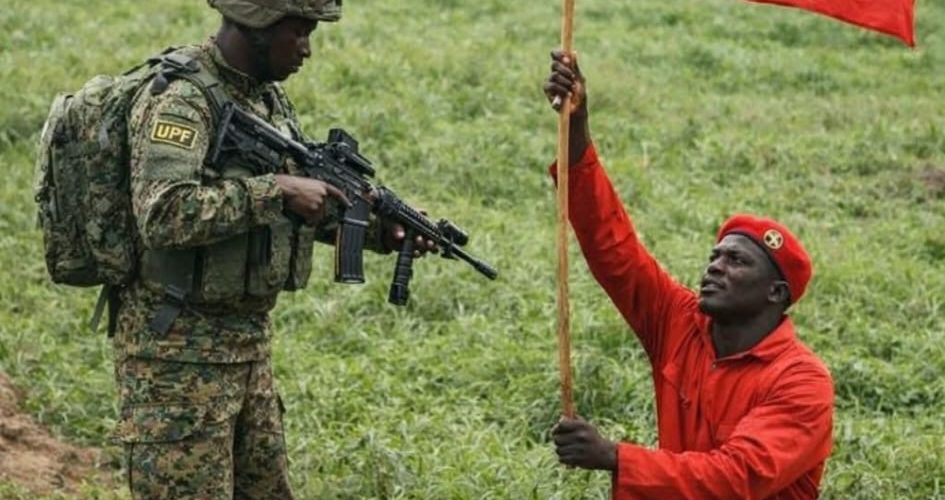
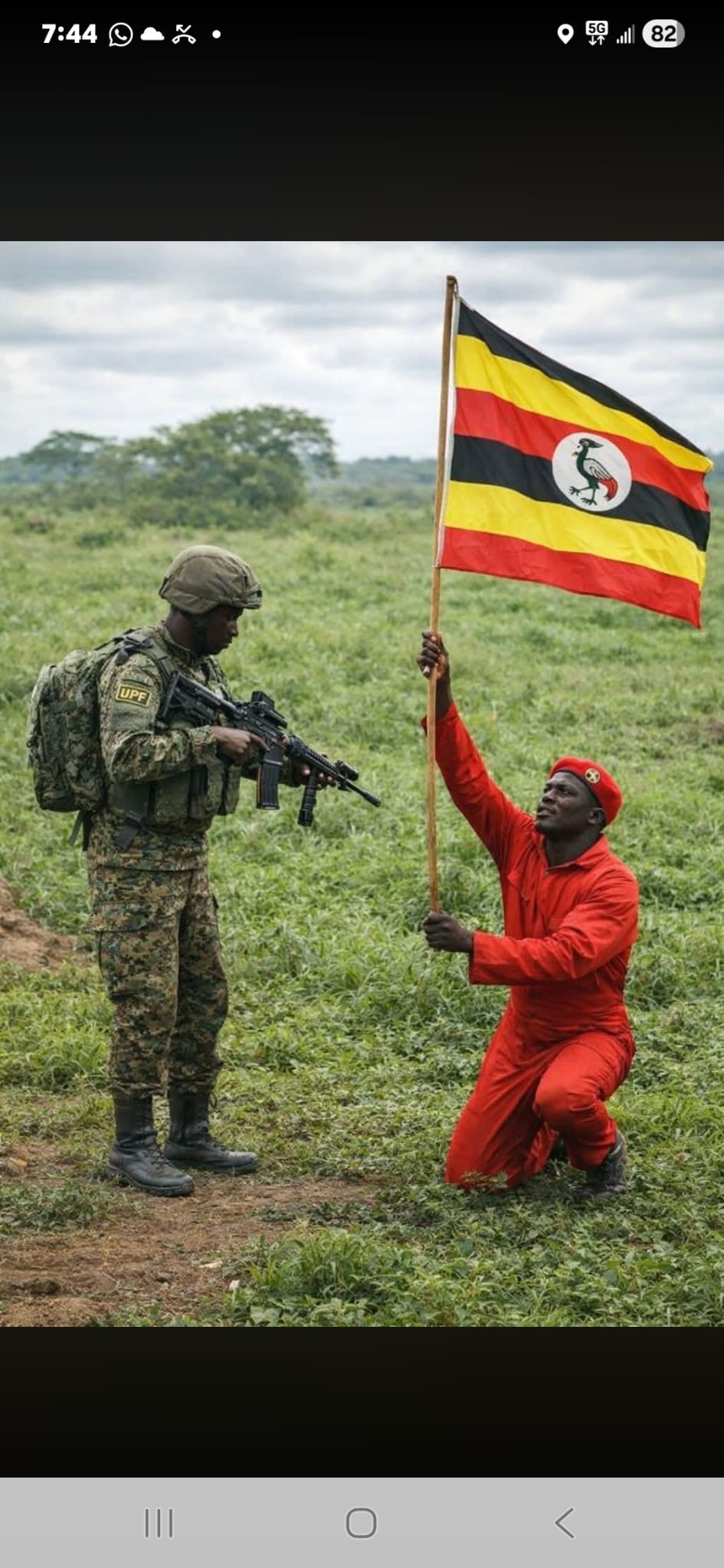
The Electoral Commission (EC) faces mounting accusations of bias, with opposition leaders noting that while the ruling party enjoys unrestricted access to public spaces, their own rallies are often curtailed by security forces.
The arrest of activists like Dr. Sarah Bireete—who was detained after urging citizens to use satellite internet to bypass potential blackouts—has sent a chilling message to those monitoring the process.
The “digital frontline” has become particularly contentious. Independent developers recently launched tools like the Fanon app to help voters locate their polling stations, only to face government warnings and technical hurdles.
Critics argue that the systematic shutting down of voter locator apps and the restriction of independent monitoring tools are deliberate attempts to disenfranchise a tech-savvy youth population that is increasingly skeptical of the status quo.
As the country prepares for Thursday’s poll, the specter of past electoral flaws looms large. From the militarized campaign trails to the opaque management of the national voters’ register, the 2026 election is more than a contest between individuals; it is a test of whether Uganda’s institutions can rise above partisan interests.
Whether through the courts or the ballot box, the quest for a “focused leadership” remains as urgent today as it was since the 1996 elections. And the popular candidate today and potential winner-Robert Kyagulanyi remains a potential winner save for rigging.