

Celebrating Equality in the London pride
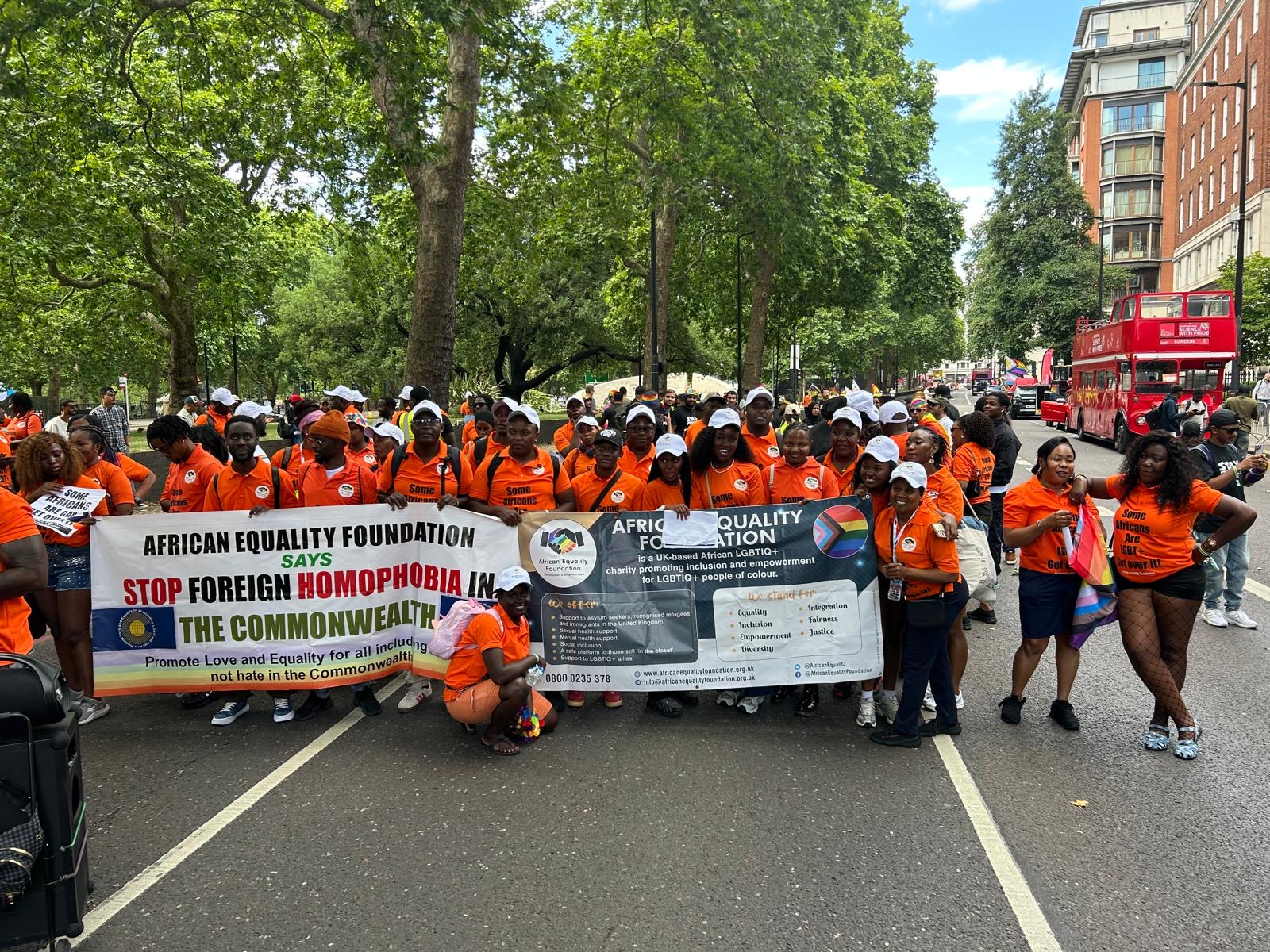
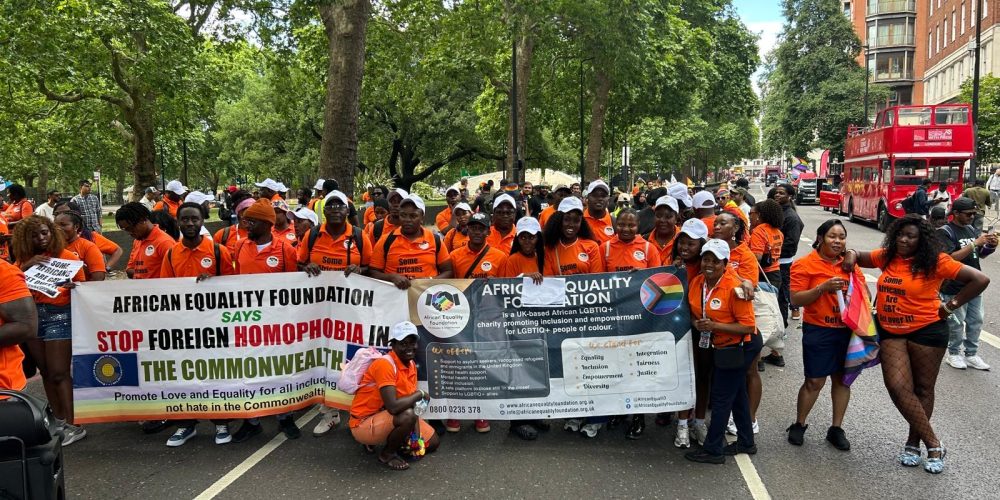
LONDON-The British capital on Saturday transformed into a kaleidoscope of color, unity, and defiance during the annual London Pride celebrations.
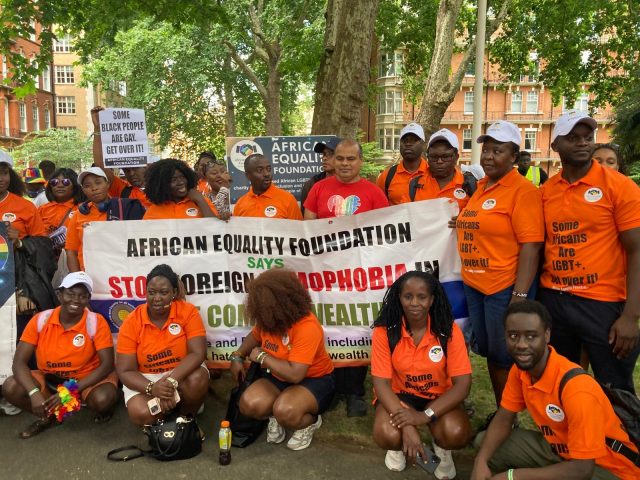
Amidst the sea of banners, a distinct and resilient voice emerged from the African Equality Foundation, a charity that has put together diaspora community marching ahead.
The United Kingdom for remains generous with a respectful approach toward the global LGBTQ community.
British society has continuously provided a vital sanctuary for individuals fleeing state-sanctioned homophobia and legislative persecution back home.
A Sanctuary for Expression
The UK has made various Ugandan exiles proud by allowing them to openly participate in today’s London Pride events.
For many participants, walking down the Streets of London represents the first time they can wave a rainbow flag without fear.
The contrast between the oppressive legal framework in Kampala and the celebration in London remains stark for these marchers.
This visible participation serves as a beacon of hope for activists operating underground within the East African nation today.
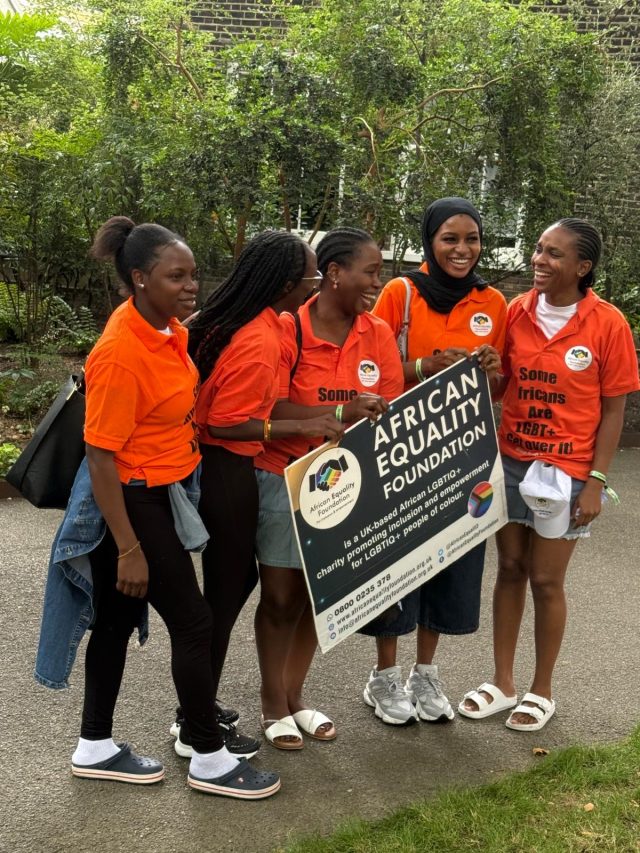
The atmosphere at the parade was described as deeply emotional by those who had previously hidden their true identities.
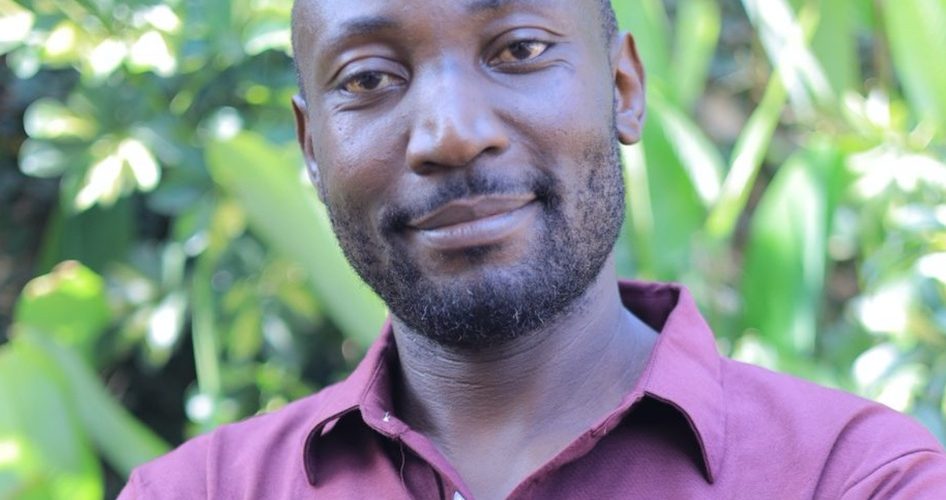
The head of the African Equality Foundation, Mr Edwin Sesange, who joined the frontlines of the parade, shared his immense joy.
“Walking freely here makes our members incredibly proud; London has given them the dignity that those who hate diversity has denied them.”
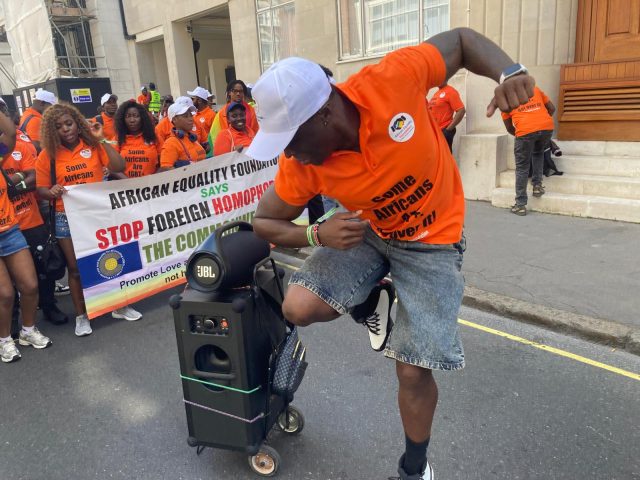
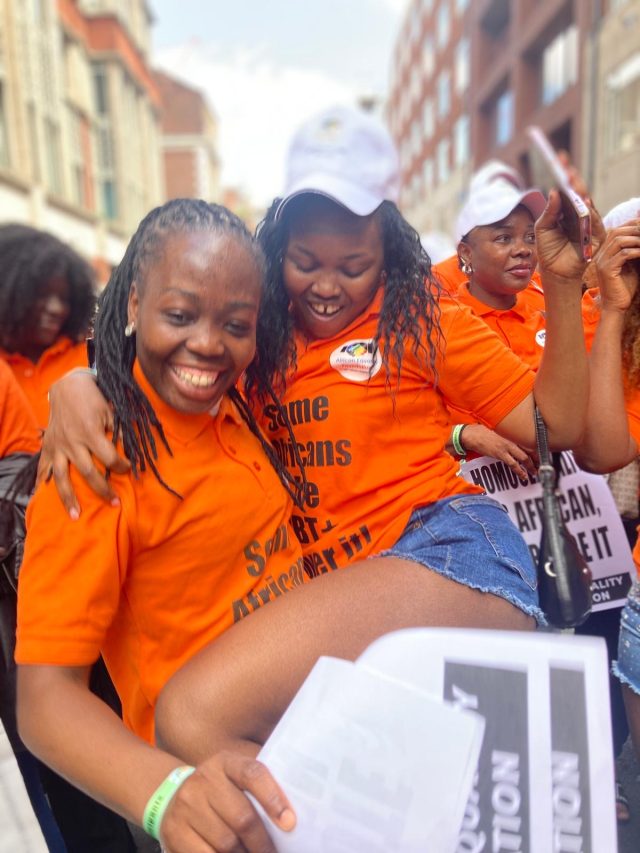
This sentiment echoed across Trafalgar Square as hundreds of diaspora members celebrated their newfound freedom under the British sun.
While the UK reinforces its stance on global equality, nations like Uganda continue to tighten their conservative legal frameworks.
The presence of the Ugandan diaspora at London Pride is more than a celebration; it is a political statement.
It underscores how Western capitals have become essential battlegrounds for human rights advocacy affecting the African continent’s future.
The long-term impact of this cultural freedom remains a subject of intense debate among international policy analysts and diplomats.
For the individuals on the streets of London, however, the immediate sense of liberation is what truly matters most.
The UK’s continued support for these marginalized groups cements its position as a global defender of personal liberties.
As the music fades, the determination of the Ugandan diaspora to fight for equality back home remains completely undiminished.
The writer is a human rights activist and a Ugandan Journalist living in London