

State House anti-corruption unit blocks 1.5bn shilling contractor payment
KAMPALA. The State House -corruption unit has intervened to halt a controversial 1.5bn Ugandan shilling (£310,000) payment to a Chinese construction firm, amid allegations of financial irregularities, according to New Vion Newspaper
The State House Anti-Corruption Unit ordered Arua city authorities to suspend the transaction to China Railway Seventh Group Construction Company.
The money had been approved by the local council to settle an outstanding balance for infrastructure works under the Uganda Support to Municipal Infrastructure Development (USMID) programme.
However, official documents suggest the contractor had already been paid in full for the project.
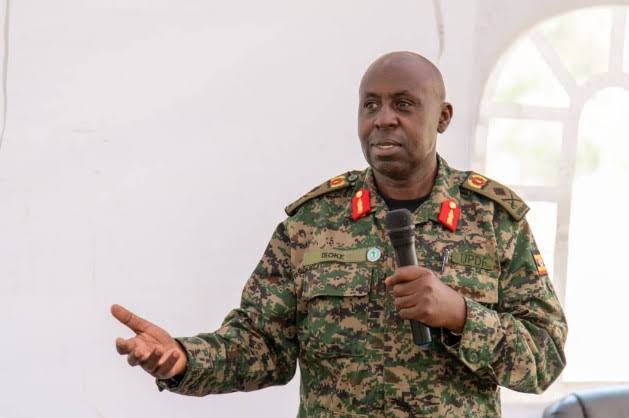
In a directive issued to the Arua city clerk, the head of the anti-corruption unit, Brigadier General Henry Isoke, ordered an immediate halt to the transaction to protect public money while a formal inquiry takes place.
“Investigations have been initiated into this matter and will be expeditiously undertaken,” Brig Gen Isoke wrote. He added that the freeze was necessary “to safeguard public funds and preserve the integrity of the ongoing investigations.”
The dispute centres on a 13.5bn shilling contract awarded in December 2021 for the construction of Go-Down Road in Arua, a city in northwestern Uganda.
According to local financial records from May 2025, the contractor had previously been issued a certificate of completion, confirming the road and 321 street lights had been fully delivered and paid for.
Discrepancies uncovered
The decision to authorise further funds has sparked significant local controversy. The current city council recently voted to approve the extra 1.5bn shillings, reversing a decision by the previous administration to spend that money on 192 new solar street lights across the city.
The intervention followed a whistleblower petition raising concerns over how the infrastructure funds were being managed.
Leaked financial documents also revealed unexplained discrepancies in the project’s paperwork. A final payment certificate from February 2025 reportedly cited a revised contract value of 15.2bn shillings—nearly 2bn shillings higher than the figure recorded in the project’s final accounts just days earlier.
The paperwork also allegedly lacked required supporting documentation, prompting senior local finance officers to raise objections and seek legal guidance.
Arua City Mayor Lawrence Alionzi defended the council’s initial decision to approve the funds, stating that officials were rushing to allocate remaining budgets before the end of the financial year.
“The council sat in an effort to make sure we spend money allocated to us as the city,” Mr Alionzi said, confirming that the 1.5bn shillings had been earmarked to meet what they believed were outstanding contractual obligations.
However, the mayor confirmed that the transaction has now been paused following the watchdog’s intervention, and the money remains unspent.
“We halted the process and are awaiting their decision before we can proceed,” Mr Alionzi said, adding that the city administration welcomed the scrutiny and would fully cooperate with the anti-corruption probe.