

Ssembabule MP petition raises questions over academic qualifications, nomination process and Anifa Kawooya’s role
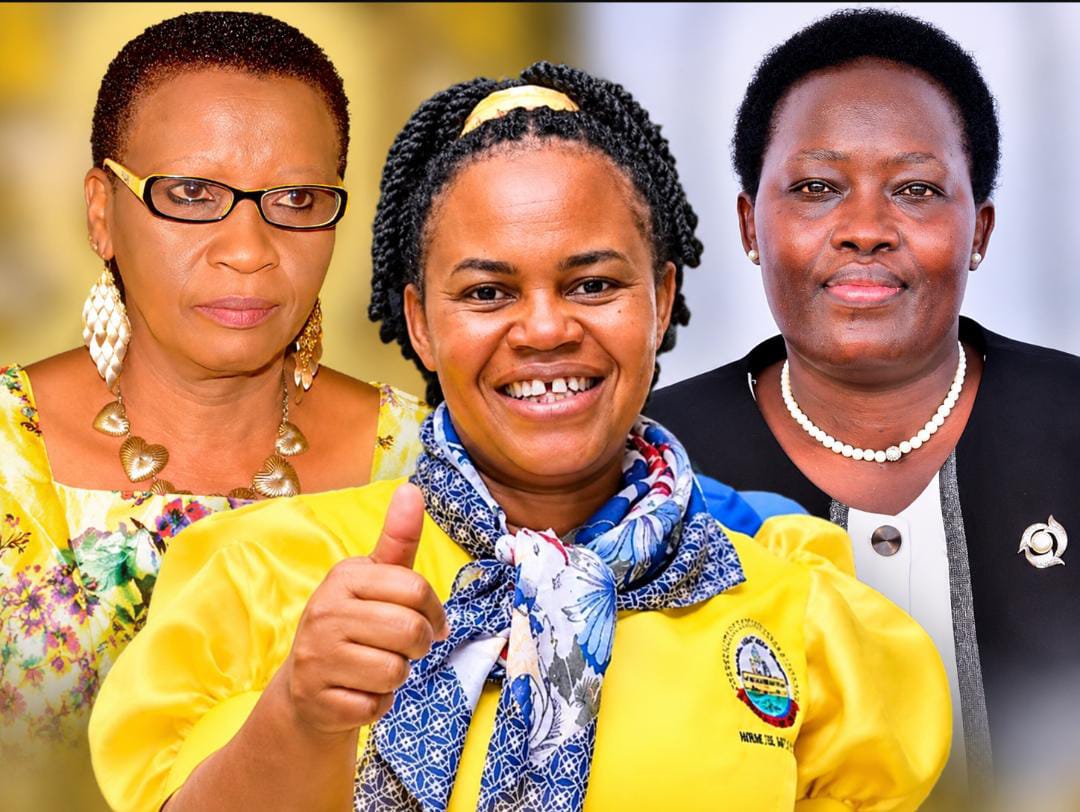
KAMPALA: Sembabule District is at the centre of a controversy over parliamentary nominations after a court petition brought fresh scrutiny to the academic qualifications of Florence Nambaziira, the declared Woman MP.
In an election petition before the Masaka High Court, Nambaziira reportedly testified under oath that she never sat the Primary Leaving Examination (PLE) or the Uganda Certificate of Education (UCE), raising questions about how she satisfied the minimum academic requirements for parliamentary candidature.
According to court proceedings reported by Nile Post and NTV Uganda, Nambaziira told court: “I didn’t study Primary Seven and I didn’t do PLE, but I went to a vocational school. I am an expert in plaiting hair, washing hair, styling it and applying makeup.”
She said she holds vocational certificates in hairdressing from Mengo Youth Vocational Centre, obtained through the Directorate of Industrial Training (DIT).
A Uganda National Examinations Board (UNEB) official, Moses Mugizi, reportedly testified that the documents presented did not qualify her for university admission.
Justice Christine Akello subsequently directed the National Council for Higher Education (NCHE) to clarify Nambaziira’s academic status within two days.
What NCHE said – and the questions that remain
During the court proceedings, NCHE reportedly confirmed that Nambaziira’s three certificates could be issued within a month, explaining that the institution recognises competence.
However, questions remain about the basis and procedure used to determine equivalence in her case.
What specific qualifications and assessment criteria did NCHE rely on when issuing the certificate of equivalence?
And, more importantly, how did the institution establish that the vocational qualifications met the academic threshold required for parliamentary candidature?
The distinction is important because recognising vocational competence and certifying academic equivalence are two different matters.
Under Article 80(1)(c) of the Constitution and Section 4(1)(c) of the Parliamentary Elections Act, a parliamentary candidate must have completed Advanced Level education or its equivalent, as certified by NCHE in consultation with UNEB.
The central question, therefore, is how Nambaziira’s academic credentials were assessed and accepted despite her testimony that she never sat PLE or UCE.
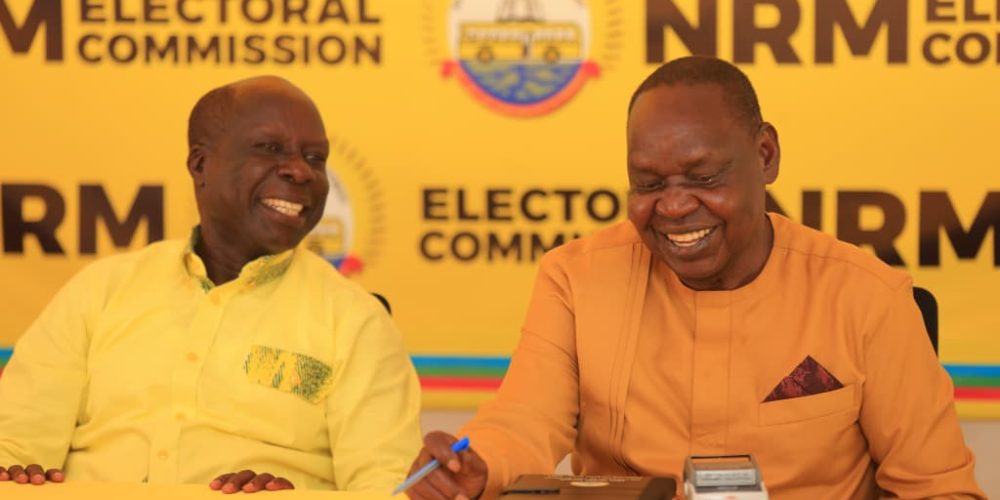
It also raises questions about the scrutiny exercised by both the NRM Electoral Commission, chaired by Dr Tanga Odoi, and the Electoral Commission, chaired by Justice Simon Byabakama, before approving her candidature.
The Anifa Kawooya question
Beyond the academic qualifications controversy, allegations have emerged in Ssembabule concerning the political forces behind Nambaziira’s candidature, with State Minister for Health (General Duties) Anifa Kawooya being mentioned.
Sources in the district allege that Nambaziira previously worked as a domestic worker in Kawooya’s household and that the minister has been actively mobilising in support of her candidature against incumbent challenger Mary Begumisa.
The sources further claim that the political contest is linked to longstanding rivalry and disagreements over Begumisa’s growing grassroots support, which they attribute to her community initiatives.
These allegations, including claims of political sponsorship and previous domestic employment, could not be independently verified by press time. Efforts to obtain comments from Kawooya and Nambaziira were ongoing.
However, Kawooya’s recent conduct in her ministerial capacity has also attracted public attention.
On October 15, 2026, during an inspection of Arua Regional Referral Hospital, the minister was captured on video ordering the immediate suspension of Senior Dental Surgeon Dr Robert Candia, reportedly over his conduct during their interaction, including keeping his hands in his pockets.
The Ministry of Health, through Permanent Secretary Dr Diana Atwine, subsequently clarified that Candia had not been suspended and continued to perform his duties.
“The Ministry of Health clarifies that Dr Robert Candia… has not been suspended and continues to perform his duties. Government has established procedures for handling disciplinary matters,” the ministry said.
The Uganda Medical Association (UMA) also criticised the incident, describing it as “political theatrics” and arguing that keeping one’s hands in pockets was not a recognised disciplinary offence under the country’s laws or clinical guidelines.
While the hospital incident is separate from the Ssembabule election petition, it has brought renewed attention to questions about ministerial conduct and adherence to established procedures.
What the petition seeks
Begumisa’s petition before Justice Akello raises several issues that the court is expected to determine.
First is whether Nambaziira’s vocational certificates, in the absence of PLE and UCE qualifications, satisfy the constitutional requirements for parliamentary candidature and whether the necessary equivalence certification was properly obtained.
Second are allegations of irregularities involving Declaration Forms and voter bribery, which remain subject to judicial determination.
Third are allegations that Begumisa’s election agents were obstructed during the electoral process.
The court will ultimately determine the merits of the petition and whether the alleged irregularities affected the validity of the election.
But the academic qualifications issue has already raised broader questions about the nomination process and the responsibility of institutions charged with verifying candidates’ eligibility.
If a candidate who says she never sat PLE or UCE can obtain parliamentary nomination through vocational qualifications, the public deserves a clear explanation of the equivalence criteria applied.
For Ssembabule voters, the case is no longer just about a contest between two political candidates. It is also about transparency, the credibility of the nomination process and the standards applied when determining who qualifies to represent them in Parliament.